
Tech
Software Patches TechoElite: A Simple Guide to Safer, Faster Software


In the fast-moving world of technology, where a single missed update can quietly invite hackers in or drag a once-snappy app to a frustrating crawl, keeping your software healthy is no small thing. Yet for many everyday users, that little “update available” pop-up remains a mystery worth ignoring until something breaks. That is exactly the gap Software Patches TechoElite sets out to close, turning a confusing chore into something you can actually understand and stay on top of. Whether you run a laptop, a phone, or a small business network, this friendly guide walks you through what patches really are, why they matter so much, and how to handle them calmly and confidently.
What Exactly Are Software Patches?
At its simplest, a software patch is a small piece of code that developers release to repair, improve, or secure a program that is already installed on your device. Instead of rebuilding an entire application from scratch, engineers ship these targeted fixes to correct specific problems, whether that is a security flaw, a stubborn bug, or a feature that never worked quite right. Patches are the quiet maintenance work happening behind the scenes of nearly every app, operating system, and connected device you use every single day.
The team behind Software Patches TechoElite likes to compare a patch to a quick repair on a house you already live in. You would not demolish and rebuild the whole place just because a window latch broke or a pipe started leaking. You would fix the specific issue, keep everything else intact, and carry on. Software works the same way. A patch tightens one loose bolt, seals one crack, or reinforces one weak spot, letting you keep using the tools you rely on without waiting for a brand-new version to arrive.
Why Software Patches Matter More Than Ever
Security is the number one reason patches deserve your attention. Cybercriminals actively hunt for weaknesses in popular programs, and once a flaw becomes public, attackers race to exploit it before people update. A patch closes that open door, often within hours or days of a threat being discovered. The guidance shared through Software Patches TechoElite stresses that many of the largest data breaches in recent history could have been prevented by installing a fix that was already available and simply ignored.
Beyond security, patches keep your software running smoothly and predictably. Over time, small bugs pile up, apps grow sluggish, and features stop cooperating with newer hardware. Regular updates smooth out those rough edges, restore lost speed, and improve compatibility across your devices. Following the practical advice from Software Patches TechoElite means you are not only protecting your data but also getting a faster, more stable experience out of the tools you already own, which is a benefit anyone can appreciate.
The Main Types of Software Patches
Not every patch does the same job, and understanding the categories helps you know how urgently to act. Security patches are the most time-sensitive, since they seal vulnerabilities that could expose your information. Bug fixes tackle glitches that cause crashes, freezes, or strange behavior. Hotfixes are rapid, emergency releases pushed out when a serious problem appears without warning. Learning to tell these apart is one of the first things Software Patches TechoElite encourages readers to do.
Then there are feature updates and performance patches, which lean more toward improvement than repair. These add new capabilities, refine the interface, or optimize how a program uses memory and processing power. While they may feel optional compared to a security fix, they still keep your software modern and pleasant to use. Some patches even bundle several of these types together in a single package, which is why reading the short release notes before updating is always a smart move.
How the Patching Process Actually Works
The journey of a patch begins the moment a problem is discovered, whether reported by a user, flagged by an automated tool, or uncovered by a security researcher. Developers investigate the issue, write and test the corrective code, and then package it for release. The educational breakdowns from Software Patches TechoElite show that this behind-the-scenes work is often far more careful than users realize, since a rushed or faulty patch can cause more trouble than the bug it was meant to fix.
Once a patch is ready, it travels to your device through automatic updates, an in-app prompt, or a manual download from the developer’s website. On a personal device this can be nearly invisible, but in a business setting IT teams often use dedicated patch management systems to roll out fixes across dozens or hundreds of computers at once. They typically test each update on a small group first, confirm nothing breaks, and only then deploy it widely, keeping downtime to a minimum.
Smart Habits for Staying Updated
The single best habit is to enable automatic updates wherever they are offered. This removes the burden of remembering to check and ensures critical fixes arrive as soon as they are released. For the handful of programs that do not support automatic updates, setting a simple recurring reminder works well. The routines recommended by Software Patches TechoElite are built around making updates effortless, because a fix you never install offers no protection at all, no matter how important it is.
It is equally wise to back up your important files before applying major updates and to download patches only from official, trusted sources. Fake update prompts are a favorite trick of scammers hoping to slip malware onto your device. A quick pause to verify that a patch genuinely comes from the real developer can save you from a serious headache. This blend of caution and consistency is exactly what Software Patches TechoElite promotes, turning updates from a source of anxiety into a calm, dependable routine.
Common Patching Mistakes to Avoid
The most widespread mistake is simply delaying updates, whether out of habit, fear of change, or worry that a patch might disrupt something. Postponing a security fix even for a few days can leave a window wide open for attackers. Many readers who follow Software Patches TechoElite are surprised to learn how quickly known vulnerabilities get exploited once they become public, which is why “I will do it later” is one of the riskiest phrases in technology.
Another frequent misstep is applying patches without any preparation, such as skipping backups or updating every device at the exact same moment. While rare, a problematic patch can occasionally introduce new issues, and having a recent backup means you can recover quickly if something goes wrong. Businesses in particular benefit from a staged approach, and the practical checklists from Software Patches TechoElite make it easy to update responsibly rather than blindly hoping everything works out.
Conclusion
Software patches may be small, but their impact on your safety, speed, and peace of mind is enormous. They quietly guard your data, smooth out annoying glitches, and keep the tools you depend on running the way they should, all without demanding much from you in return. By understanding what patches are and building a few simple habits around them, you transform updating from a nagging chore into a genuine advantage. That is the whole spirit of Software Patches TechoElite: making dependable, everyday protection feel simple, approachable, and well within reach for absolutely anyone who wants a safer, faster digital life.
Frequently Asked Questions
Are software patches really necessary if my device seems fine?
Yes. Many patches fix security holes you cannot see or feel, so a device that appears perfectly healthy may still be quietly exposed. The safest approach recommended by Software Patches TechoElite is to install updates promptly rather than waiting for visible problems.
Can a patch ever break my software?
It is uncommon, but occasionally a patch can cause minor conflicts. This is exactly why backing up your files first is such a valuable habit, since it lets you restore things easily in the rare case that an update misbehaves.
How often should I check for updates?
Enabling automatic updates handles most of this for you. For anything without that option, a quick weekly check is a reasonable and low-effort routine that keeps you well protected.
What is the difference between a patch and a full upgrade?
A patch makes small, targeted fixes to your current version, while a full upgrade replaces it with a new one that may look and behave quite differently. Patches are frequent and lightweight, whereas upgrades are bigger and less common.
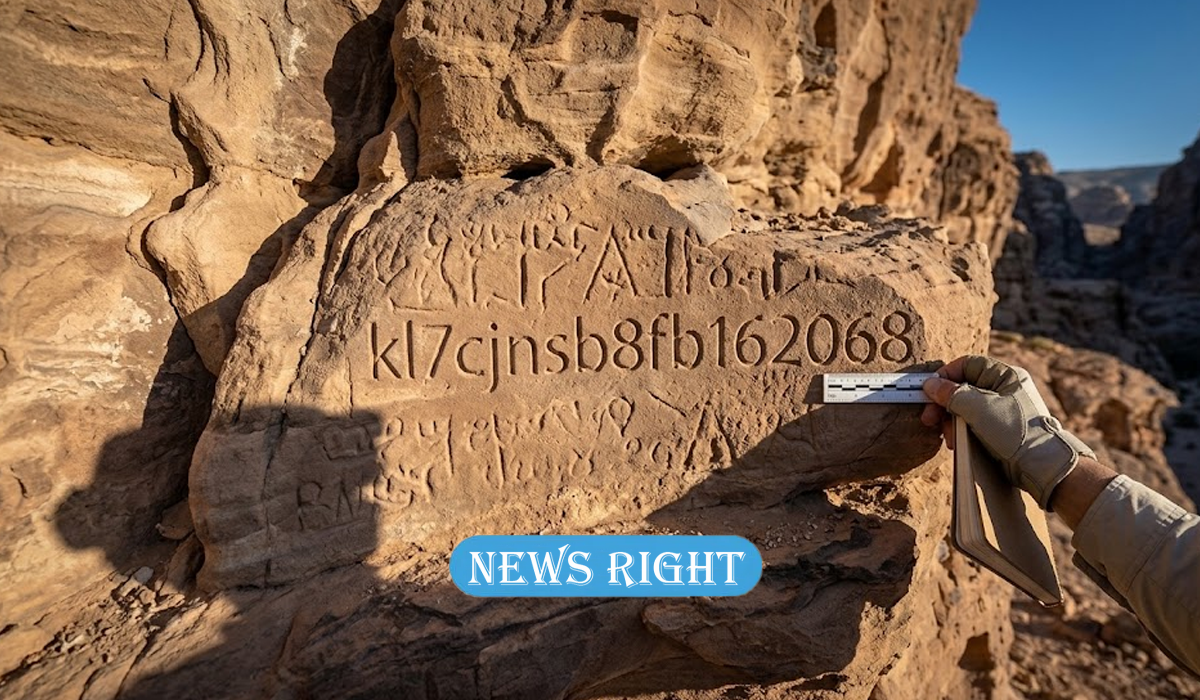
In the busy corner of the internet where strange searches turn into small trends, a short string of letters and numbers can suddenly become famous. One of those strings is kl7cjnsb8fb162068. It looks like a password, a parcel number or a secret message, and that is why so many people copy it into Google late at night and hope for a clear answer. Instead, they find dozens of vague blog posts that talk about digital trust, cloud tokens and mystery identifiers without showing any proof. This guide takes a calmer path. We check the facts, explain the code in simple words, correct a few popular mistakes, and show you how to look up a code like this on your own.
What Is kl7cjnsb8fb162068 Really?
The honest answer is that this code is built like a vehicle identification number, usually called a VIN. A VIN has exactly 17 characters, and this string has 17. It also avoids the letters I, O and Q, which are left out of VINs so they are not confused with the numbers 1 and 0. Even better, the ninth character of a VIN is a check digit. When we ran the standard VIN maths on this code, the result matched the ninth character, which is 8. A random string would pass that test only about one time in eleven, so this is a strong sign.
Many websites call the same code a digital token, a cloud session ID or even a blockchain key. None of them show a source for those claims. They use the same safe and vague words for any code, which is why their posts feel so empty. A real VIN is not secret and it is not magic. It is a public serial number stamped on a vehicle, and every part of it has a clear job.
How to Read the Parts of kl7cjnsb8fb162068
The first three characters are the world manufacturer code. In this case KL7 points to Chevrolet cars made in South Korea, and the 7 shows a multipurpose passenger vehicle. The next five characters describe the model, the body style and the engine. Here the letters CJ match the start of many public Chevrolet Trax VINs, including records on government buyback lists and car history sites. That is a good clue that we are looking at a small SUV from that model line.
The tenth character is the model year, and F stands for 2015. The eleventh shows the factory, and the last six numbers, 162068, are the production number of that exact vehicle. Other public codes with the same KL7CJ start and the letter F in the tenth place are listed as 2015 Chevrolet Trax cars. So the pattern fits, but we have not seen a record for this exact number, and that is why we say likely and not certain.
The Mercedes-Benz Story Does Not Add Up
One small blog says kl7cjnsb8fb162068 is the VIN of a 2013 Mercedes-Benz S 400 h that was listed on a Pakistani car website. We could not confirm that claim anywhere. German Mercedes cars normally start with the letter W, for example WDD or WDB, while this code starts with KL, which belongs to the Korean Chevrolet family. It is possible that a seller typed a wrong number in an advert, but it is much more likely that the blog simply made a mistake.
This matters because copying a claim from one site to another is how wrong facts spread. A short check takes less than a minute and can save you from repeating an error to your own readers. We also want to be fair about our own limits. We did not find a full history for this exact number, so please treat our Chevrolet Trax result as strong pattern evidence and not as a complete vehicle record.
Why Blogs Keep Writing About kl7cjnsb8fb162068
There is another reason this code appears so often online. Unusual strings with no real meaning are popular with SEO testers, because nobody else is competing for them. A site owner can publish a page about the string and then watch how quickly Google finds it, indexes it and ranks it. Once a few people do this, other websites notice the traffic and copy the idea, and soon the same code appears on many pages.
Many of those pages look like they were made by automatic tools. They repeat phrases such as unique identifier, digital fingerprint and next generation trust, and they never answer the real question. They can rank for a while because the competition is so low. A clear and honest article with checked facts has a good chance to stand out, and readers are happy when someone finally explains the code in plain words.
How to Check a Code Like kl7cjnsb8fb162068 Yourself
You can test almost any suspicious code in a few easy steps. First, count the characters, because a VIN must have 17. Second, look for the letters I, O and Q, which should never appear. Third, paste the code into a free VIN decoder, such as the one from the United States safety agency NHTSA, and read the year, make and model it shows. If the result matches the story you were told, the code is probably real.
A decoder only shows what the factory built, so it cannot tell you about accidents, flood damage or missing mileage. If you are thinking about buying a used car, order a full history report and look for open recalls too. Also compare the number in the advert with the number printed on the car, because a mismatch is one of the oldest signs of a scam.
Is kl7cjnsb8fb162068 Safe to Search and Share?
Searching for it is completely safe. A VIN is printed on a plate that anyone can read through the windshield, and it does not contain a name, an address or a phone number. Looking it up in a decoder will not harm you or your device. The only risk comes from the pages you visit afterwards, because some of them are full of pop-ups and paid report offers.
Sharing it is also fairly low risk, but use common sense. A seller who posts a number may be showing a real car or may be borrowing the number of a different car to look trustworthy. If you ever see kl7cjnsb8fb162068 in an email or a message that you did not expect, treat it as a simple reference, do not click strange links, and ask the sender for more proof.
Conclusion
The mystery around kl7cjnsb8fb162068 gets smaller when you look at it step by step. It has 17 characters, it follows the VIN rules, its check digit works, and its maker, model and year codes point to a 2015 Chevrolet Trax, while the big stories about digital trust, tokens and a Mercedes-Benz have no proof behind them. The best lesson is a simple one: when a strange code goes viral, do not trust the first blog you read. Count the characters, test the pattern, use a free decoder and look for real sources, and whether it is kl7cjnsb8fb162068 or any other code, you will always stay one step ahead of the confusion.
FAQs
What does kl7cjnsb8fb162068 mean?
It follows the shape of a 17 character VIN and passes the standard check digit test. The maker and model codes point to a Chevrolet Trax, and the year letter points to 2015.
Is it a password or a crypto key?
There is no proof for that. Passwords and keys do not follow the strict VIN rules, and the blogs that say so never give a source.
Which car does it belong to?
The pattern fits a 2015 Chevrolet Trax built in South Korea. To be sure, enter it into a free VIN decoder or order a history report.
Is it really a Mercedes-Benz?
Almost certainly not. A Mercedes VIN normally starts with W, and this code starts with KL.
Can I find the owner with it?
No. A VIN decoder shows vehicle details only, and it does not show owner names or addresses.

Seeing a missed call from a number you do not know can make your heart jump for a second. Maybe it was a delivery driver, a doctor’s office, a new employer, or just a machine that dials thousands of phones every day. If your screen showed 4698987585, you are not alone in wondering who was on the other end. Many people in the United States get calls like this every week, and most of them ask the same thing: should I call back or ignore it? In this friendly guide, we will look at what we can really say about this number, how to check an unknown caller safely, and which habits keep you protected. One important note: this is not a biography of a person, and we will not guess who owns the number, because nobody should be named without proof.
This table gives you the safe facts in one place, and it is a little different from a normal bio. A person’s bio has a birthday, a job, and a hometown, but a phone number is only a string of digits. We checked Google for 4698987585 and did not find a page that clearly names an owner, so we left that box honest instead of filling it with a guess.
The same rule is good for you to follow. If a website claims to show the full name, home address, or life story of the person behind a number, be careful, because that data is often wrong or old. Using a number to track down or bother a private person can also cause real harm, so we keep this guide focused on safety and simple checks.
What We Know About This Number
Here is the short version. 4698987585 is a ten digit number that follows the North American numbering plan, which means it has an area code, a three digit exchange, and a four digit line number. It starts with 469, so it is tied to the Dallas area of Texas, although mobile and internet phone numbers can be used by someone who lives far away from that area.
What we could not find is just as important. In our Google search, there were no clear reports, reviews, or news stories about 4698987585, so we cannot say it is a scam, and we cannot say it is safe. A quiet search result often means the number is new, rarely used, or simply not reported yet, so treat it as unknown instead of dangerous.
Where Does Area Code 469 Come From?
Area code 469 began on July 1, 1999, as an overlay for most of the eastern part of the Dallas and Fort Worth Metroplex. An overlay means a new area code is added to the same map instead of splitting the region in two, so people in the same town can have different area codes, such as 214, 469, or 972.
This history explains why a call from 4698987585 does not tell you much by itself. The area code only shows where the number was first set up, and today people keep their numbers when they move or switch phone companies. So a 469 number can belong to a neighbor, a business, a call center, or someone using an app on a phone in another state.
Why Might This Number Have Called You?
There are many normal reasons for a missed call. A shop may be confirming an order, a clinic may be changing an appointment, a school may be sending an alert, or a friend may be calling from a new phone. Think about what you did in the last few days, such as booking a service, applying for a job, or buying something online, because a company may be returning your request.
Of course, some calls are not so friendly. Robocall reports for area code 469 show many automatic calls about loans, insurance, and payment reminders, and some are plain scams. If 4698987585 rang only once and left no message, it may have been an automatic dialer testing whether your number is active, so there is usually no reason to panic.
Easy Steps to Find Out Who Called You
Start with the simplest step: look at your own phone. Check your call log and voicemail, because a real caller often leaves a name or reason. Then search the number in your messages, email, and contacts, since it may belong to a business you already know, and try typing it into Google with and without dashes, such as 469-898-7585 and 4698987585.
If that does not help, use a trusted reverse lookup website or your phone’s built-in caller tools, and read the community comments with care because they are only opinions. Do not share personal details with a lookup site. If you still feel unsure, send a short text such as “Sorry, I missed your call, who is this?” and wait for a clear answer before saying anything more.
Is It Safe to Call Back?
Most of the time, it is better to wait before you call back. Calling a strange number can confirm that your line is active, and in rare cases a call to a certain kind of number may cost extra. If 4698987585 left a clear voicemail from a business you recognize, calling the official number on that company’s real website is a safer choice than dialing the missed call number.
Watch for warning signs. A caller who rushes you, asks for a bank code, a password, or gift cards, or says you will be arrested, is almost always trying to trick you. Real banks, tax offices, and delivery companies do not ask for secrets over a surprise phone call, so hang up, and contact them using a number you already trust.
How to Block and Report Unwanted Calls
If you do not want to hear from 4698987585 again, blocking it takes a few seconds. On most phones, open your recent calls, tap the number, and choose the block option, and you can also turn on silence unknown callers so strangers go straight to voicemail. Your phone company may also offer a free spam filter, so it is worth checking their website or app.
If a call felt like fraud, report it so others can be protected. In the United States, you can add your number to the National Do Not Call Registry and report scam calls to the Federal Trade Commission, and you can also tell your phone carrier. Keep a short note of the date, time, and what was said, because details help investigators spot patterns.
Habits That Protect You From Spam Calls
Good habits work better than any single app. Do not answer unknown numbers when you are busy, let voicemail do the first check, and never press a number to be removed from a list, because that can mark your line as active. Keep your phone number off public forms and social media when you can, since scammers collect numbers from many places.
Talk about this with family too, especially older relatives, who are often the main target of phone scams. Agree on a simple rule: if anyone asks for money or codes over the phone, stop and call a family member first. Even if 4698987585 turns out to be harmless, these habits will protect you from the next unknown number.
Conclusion
A missed call from an unknown number is annoying, but it does not have to be stressful. The best plan is simple: check your own records, search the number, wait for a voicemail, and never share private information with a stranger. Because there is no clear public information about this number, the safest choice is to treat it as unknown, not as dangerous. Block what you do not need, report what looks like fraud, keep your family informed, and share your experience with others in a respectful way that keeps personal details private.
Frequently Asked Questions
Who owns this number?
We could not find a public, reliable source that names the owner, so we do not know. Please avoid guessing.
Is it a scam call?
There is no proof either way. Treat any unknown call with care, and never share codes, passwords, or payment details.
Which state is area code 469 in?
Area code 469 is in Texas and mainly covers the Dallas area.
Should I call back a missed call?
Only if you recognize the business or expect a call. Otherwise, wait for a voicemail or check the official website first.
How can I block a number?
Open your recent calls, tap the number, and choose block. Most phones have this option.

Every few months, a strange new name starts circulating through search bars, group chats, and comment sections, and curiosity does the rest. Incestflox is one of those names. It appears to be tied to a streaming-style website offering adult material built around a taboo theme, yet almost nothing about it can be verified from trustworthy sources. That gap is exactly why people search for it, and exactly why it deserves caution. This guide explains what is actually known, what is only rumor, which risks come with sites like this, and how you can protect yourself and your family. Nothing here is a link or a recommendation. It is a plain-language safety briefing for ordinary internet users.
What This Name Appears to Be
The honest starting point is that this name does not belong to a celebrity, a company with a public profile, or any established media brand. It looks like the kind of label attached to unregulated, ad-driven websites that borrow the style of mainstream streaming services while hosting adult content of uncertain origin. Names like this tend to appear suddenly, collect search traffic, and vanish or change domains within months. There is no reliable press coverage, no verified founder, and no transparent terms of service that a reader could point to as proof of legitimacy.
That lack of transparency is itself the most important fact. Legitimate platforms tell you who runs them, where they operate, how they verify the age of their performers, and how you can contact them. Anyone claiming to know the owner or history of this site should be treated with skepticism, because those claims are almost always recycled from low-quality blog posts that repeat each other without checking anything. When you cannot confirm who is behind a website, you cannot know what it does with your data, your device, or your attention.
Why the Name Keeps Spreading Online
Search interest in Incestflox follows a familiar pattern. A shocking or provocative name appears in a forum thread or social media comment, people get curious and type it into a search engine, and that spike in searches signals to automated content farms that there is traffic to capture. They then publish thin articles, some of which pretend to be neutral explainers while quietly steering readers toward risky links. The result is a feedback loop where curiosity creates attention, attention creates more pages, and more pages make the name look more established than it really is.
Taboo themes make this loop stronger because people often feel embarrassed to ask questions openly, so they search privately and rarely compare notes. Mirror domains, copycat sites, and fake download pages multiply around any trending adult keyword, and each one is an opportunity for someone to profit from your click. Understanding this cycle helps you resist it. A name trending in search results is not evidence that a site is popular, safe, or lawful. Often it only proves that a lot of people were curious at the same moment.
The Real Risks Behind Sites Like This
The most immediate danger is technical. Unregulated adult streaming sites are well known for aggressive pop-ups, forced redirects, fake video players, and prompts to install software or browser extensions before you can watch anything. Any of those can carry malware, spyware, or credential stealers. Even without installing anything, tracking scripts and malicious ads can profile your browsing, and phishing pages can imitate login screens for email or banking accounts to harvest passwords.
There are personal risks too. Many such sites ask for a card number to verify your age, then enroll you in hidden subscriptions or leak the details later. Others threaten users with embarrassing messages after a visit, a scam known as sextortion that preys on shame and silence. Remember that no website needs a payment card to prove you are an adult, and no genuine service will ever threaten you. If someone does, stop responding, keep the evidence, and report it rather than paying.
Legal and Ethical Concerns
Beyond technical danger, there are serious legal and ethical questions. Content that depicts or glorifies family-based sexual abuse, or that involves anyone who may be underage, coerced, or unidentified, can be illegal to produce, distribute, or even possess in many countries. Because the people behind this site cannot be identified, there is no way to confirm that performers consented, were adults, or were paid fairly. Material with no accountability trail is exactly where exploitation hides.
Laws differ widely between countries and regions, and nobody should assume that something being easy to find means it is permitted. Accessing questionable material can expose you to legal trouble, and clicking links or sharing them can spread harmful content further. The safest ethical position is simple: do not seek out, download, or forward content when you cannot verify that everyone involved is a consenting adult, and do not treat obscure sites as harmless entertainment.
How to Protect Yourself and Your Device
If you have already opened the site called Incestflox, do not panic, but do act calmly. Close the tab, clear your browser cache and cookies, and run a full scan with a reputable security program. Review your browser extensions and installed apps for anything you do not remember adding, and remove it. If you entered a password or payment detail anywhere, change that password immediately, enable two-factor authentication on important accounts, and contact your bank to monitor or block the card.
Prevention is easier than cleanup. Keep your operating system and browser updated, use a trustworthy ad blocker, and avoid clicking links from unknown messages or forum replies. Enable safe-search settings and DNS-level filters on home networks, and be wary of any site that demands software installation or personal details to view content. A good rule is to ask whether you would trust the same site with your front-door key. If the answer is no, you should not trust it with your digital life either.
Guidance for Parents and Reporting Problems
If your child mentions Incestflox or you find it in a browser history, start with calm curiosity instead of punishment. Young people often stumble onto disturbing material through ads, links from classmates, or algorithm-driven recommendations, and they are more likely to talk if they do not fear being in trouble. Explain in age-appropriate words that some websites are not safe, that they never need to hide a bad experience, and that you will help rather than blame. Parental controls, filtered DNS, and shared device rules add a useful safety net, but open conversation matters most.
When something crosses a line, report it. In the United States, the NCMEC CyberTipline accepts reports of child sexual exploitation, and similar hotlines exist elsewhere, such as the Internet Watch Foundation in the United Kingdom. You can also flag content through the reporting tools on search engines, social platforms, and hosting providers. If you or someone you know has been affected by abuse, a trained counselor or a local support organization can help, and speaking to someone is a sign of strength rather than weakness.
Conclusion
The story of Incestflox is not really about a famous name or a hidden gem of the internet. It is a reminder of how quickly an unverified label can gather attention, clicks, and risk. What can be said with confidence is limited: the site cannot be traced to an accountable owner, it carries the familiar dangers of unregulated adult platforms such as malware, scams, and data theft, and it raises legal and ethical concerns that no reader should brush aside. The wisest response to curiosity is verification before trust, which means checking who runs a website, protecting your accounts, talking openly with the young people in your life, and reporting harmful content when you come across it. Staying away from Incestflox costs nothing, while cleaning up after a mistake can cost a great deal, so let the name fade and keep your attention on safer corners of the web.
FAQs
What is Incestflox?
Incestflox appears to be the name of an unverified, streaming-style adult website with a taboo theme. No reliable information confirms who owns or operates it.
Is Incestflox safe to visit?
There is no evidence it is safe. Sites of this type commonly use malicious ads, fake players, and phishing pages, so avoiding it is the safest choice.
Is Incestflox a person or a celebrity?
No. Despite the biography-style format some articles use, it is not a person, and any claimed birthday, family, or career details should be considered invented.
Can visiting a site like this get my device infected?
Yes. Redirects, forced downloads, and compromised ads can deliver malware even if you click nothing, which is why updated software and a security scan matter.
What should I do if I was threatened or scammed after visiting?
Do not pay or reply. Save screenshots, change your passwords, tell your bank if a card was involved, and report the threat to local authorities or a relevant hotline.


Who Is Whosvalora? The Simple Truth Behind the Viral Name

Jememôtre Meaning: A Simple Guide to Measuring Yourself

What Is Hj54kyf? Easy Meaning, Uses and Facts (2026 Guide)

Who Is Eric Ritchson? The Quiet Older Brother of Actor Alan Ritchson

Pinoroduct Com: A Simple Guide for First-Time Visitors (2026)

Who Is Ramtin Abdo? The Quiet Life of Kate Scott’s Ex-Husband
-
 Celebrity2 months ago
Who Is Eric Ritchson? The Quiet Older Brother of Actor Alan Ritchson
-
 Technology2 months ago
Pinoroduct Com: A Simple Guide for First-Time Visitors (2026)
-
 Celebrity3 months ago
Who Is Ramtin Abdo? The Quiet Life of Kate Scott’s Ex-Husband
-

 Celebrity3 months ago
Ellen Heidingsfelder: The Full Story of Cooper Manning’s Wife
-

 Celebrity3 months ago
Thierry Bordelais: The Quiet Husband of Karla Homolka
-

 Celebrity3 months ago
Who Is Valerie Guiliani? Everything to Know About T. J. McConnell’s Wife
-

 Tech2 months ago
What Is B06X95MVYN? A Simple Guide to the Amazon Swimsuit ASIN
-

 Celebrity3 months ago
Karima Jackson: What We Really Know About Ice Cube’s Daughter