
Blog
Bank Reconciliation: The Monthly Habit That Catches Errors Before HMRC Does


You check your business account, see a healthy balance and carry on spending. Then your accountant asks about three payments that appear in the bank but nowhere in your records. It happens more often than owners admit.
Whether you handle your books yourself or use business bookkeeping services, one monthly check stops small slips turning into expensive headaches: bank reconciliation. It compares your bank statement with your accounting records, so you spot gaps before they reach your accounts or tax figures.
What bank reconciliation actually is?
This is simply ensuring that your bank statements agree with your accounting records (usually your cash book or ledger).
Most of the time they won’t match. Let’s say your books state you have £4,500 but your bank says you have £4,350. There will be a discrepancy of £150 which could be due to a charge not being recorded, a missing transaction or a timing difference. Your goal is to find out why there is a difference.
Why is monthly worth it?
Whilst there is nothing in law that suggests small businesses should reconcile on a monthly basis it can be a good practice to do so.
- Issues will be picked up early e.g. any missing items such as customer receipts, bank charges and interest.
- Double entries will be identified.
- You will know what you actually have in your account so you can make spending decisions based on this.
- Any dodgy transactions will be picked up quickly e.g. any card payments or direct debits you don’t recognise.
- It makes the end of year easier with less tidying up and makes tax preparation run smoothly.
If you are a busy business with a lot of transactions you might want to do more frequent reconciliations.
How to reconcile step by step?
- Collect your documents. This includes your bank statement for the month, accounts, invoices and receipts.
- Ensure the opening balance is correct. It should be the same as last month’s closing balance. Fixing this should be the first task.
- Cash received. Cross reference customer payments to your sales. Any payments which cannot be identified should be chased.
- Cash paid. Ensure any payments to suppliers, direct debits and standing orders are correct. Check for any duplicates or missed charges.
- Discrepancies. Ensure the dates match up, amounts match and references match.
- Fix any true errors. Any missing items should be noted and evidence kept of all adjustments made.
- Save. Note any timing differences and save your report with the statement.
Eight reasons it won’t balance
This will usually be due to an item missing, incorrect figure(s), missing items due to timing and/or an error being brought forward. Some common issues are:
- Incorrect starting balance
- Bank transactions missing
- Duplicates (typed in by hand, then imported again)
- Incorrect figures (such as entering £540 instead of £450)
- Outstanding payments
- Deposits not yet received
- Unrecorded charges/interest
- Incorrect transfers between personal accounts
If your software shows £3,450 but your bank shows £3,200, do not just enter an adjustment of £250. Look for the transaction which caused this discrepancy. You can also look at your earliest month where the figures did not match up. If you still cannot find why there is an issue then ask for help!
Timing difference or mistake?
Not all discrepancies are mistakes. For example say you paid a supplier £600 on 30 September but the bank will process the payment on 2 October. This means that the payment will be shown on your books for September but not on your statement, this is just a timing difference. You should note this and ensure it clears.
If however there is a genuine mistake such as missing entries, duplicate entries, incorrect amounts or unaccounted fees then you should investigate these and put them right.
How reconciliation supports your HMRC records?
Whilst it can’t guarantee that you won’t be asked to investigate something, this will ensure your records are accurate.
Reconciling your bank to your sales will show any income that you have forgotten to record. It will also show any duplicated expenses and personal expenditure being paid out of your business account.
When it comes to VAT, just having the bank line will not tell you if the VAT is reclaimable, you will need the original invoice. Also, just having bank statements will not prove any expense, always keep your receipts! Finally, if you are VAT registered, you will also need to keep digital records as per the new Making Tax Digital requirements. An organised reconciliation will make this easier.
Record retention requirements vary. Sole traders will generally need to keep records for at least 5 years after the 31 January deadlines. Limited Companies require records to be kept for at least 6 years. VAT records will also need to be kept for 6 years. Keep your bank statements, invoices, credit notes and reconciliation statements together.
Won’t the software do it for me?
Partly.Xero, QuickBooks and FreeAgent all offer bank feeds. They also offer suggestions, so you can cut down on data entry. However, feeds may contain duplicates or may miss out on some transactions. The suggestions may not match up correctly. Always treat the suggestions as a guide. You will still need to verify that the amounts and references are correct.
| Manual | Automated |
| More checking, more time | Less data entry |
| Fine for simple records | Great for frequent transactions |
| Needs tidy records | Still needs a human review |
Several accounts, cards and payment platforms
You may want to include more than just your main account. If you have any savings accounts, business credit cards or online payment services such as PayPal and Stripe then you should include these too. The amount you receive will be after all of their fees.
| Stripe example | Amount |
| Customer payments | £5,000 |
| Processing fees | -£150 |
| Refunds | -£50 |
| Bank settlement | £4,800 |
You will underestimate your sales by just recording the £4800. You will miss out on the fees that they are charging. If you receive foreign currencies there will also be currency exchange costs and fees.
Months behind?
Stay calm. Don’t fiddle around with old balances. Gather together the missing statements. Find the last good month and go forward. This will help you identify any missing and duplicates.
If there were gaps left by your last bookkeeper then this is what you will need to do. Old mistakes could impact on your submissions so you may need to have them looked at by a professional.
When professional help makes sense?
Simple reconciliations can be done by you however if you have missing information, recurring discrepancies, multiple accounts and payment gateways, past issues and not enough time between customers then using a service can be beneficial.
Business bookkeeping services can record and organise your transactions, reconcile your accounts, investigate gaps and keep your records ready for year-end. Lanop Business & Tax Advisors provides bookkeeping services for UK based businesses. You can view the details of our bookkeeping service here.
Frequently Asked Questions
What is bank reconciliation?
This helps to identify any discrepancies between your bank statement and accounting records.
How often should I perform bank reconciliations?
Most small businesses perform them monthly however busier businesses can perform them more frequently.
What should I do if my bank balance isn’t matching?
Check there are no missing entries, duplicate entries, incorrect opening balance and time differences.
Will this prevent HMRC from asking questions?
Not specifically but will help make your records more accurate and defendable.
Is automated bank reconciliation accurate?
It will save you time but you will still need to check that the reconciliations match.
Conclusion
Reconciliation is not just about two numbers adding up. This process helps you find any missing payments, errors and duplicated data early on by ensuring that your records are accurate. This will help you make better decisions and give you a more reliable tax record. Alternatively, Lanop Business & Tax Advisors can assist you.
Blog
Where to Buy Concert Tickets in 2026: A Guide to Official Sellers, Resale Platformsand Avoiding Scams

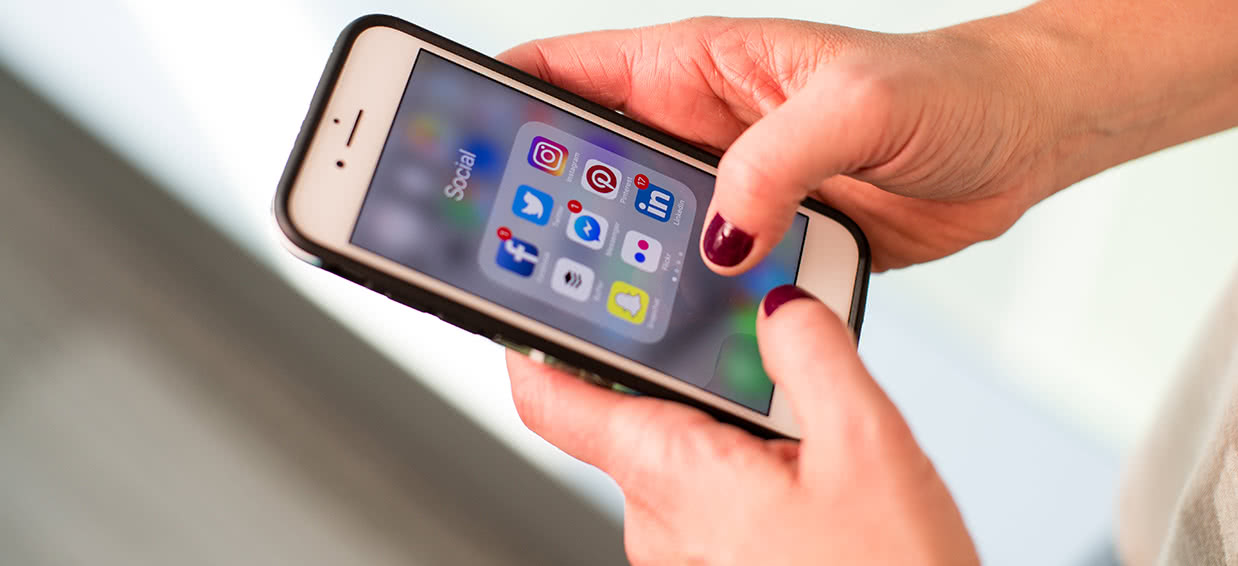
Buying concert tickets has become a test of speed, patience and caution. High demand, dynamic pricing and a crowded resale market mean where you buy can matter as much as when. Here is how the main options compare.
Start with the official seller
The safest first stop is always the primary ticket seller named by the artist or venue. Ticketmaster is the largest globally, processing hundreds of millions of tickets a year across more than 30 countries, and handles a large share of major US concert venues. Depending on the market, other primary sellers include AXS, See Tickets, Eventbrite, DICE and Ticketek. Venue box offices and artist websites often link directly to the correct seller.
Buying from the primary seller means face-value pricing, with fees disclosed, and tickets that are guaranteed valid. Presales are worth using. Fan clubs, mailing lists, credit card partners and venue memberships often unlock access days before general sale, and early access is usually the best chance of face-value seats for in-demand tours.
Know what you are paying
Fees can add significantly to the headline concert ticket price, according to Elevar Magazine. In the US, federal rules now require ticket sellers to display the full price upfront, including fees, and several states have added their own all-in pricing laws. Even so, compare the final checkout total rather than the listed price, and watch for dynamic pricing, where prices rise during high demand.
Resale platforms: useful, but check the rules
If a show sells out, verified resale marketplaces such as StubHub, SeatGeek, Viagogo and Ticketmaster’s own resale tool are the next option. They offer buyer guarantees, and many tickets are transferred digitally, which reduces fake-ticket risk.
Rules vary widely. Some places cap resale prices. Ontario, Ireland and parts of Australia restrict markups, and several US states have passed or proposed limits, often around 110% of face value. The UK has announced plans to ban resale above face value, though you should check whether those rules are in force when you buy. Elsewhere, resale prices are set by the market and can far exceed face value. Always check the seller’s terms and your local rules.
Timing can save money
Prices on resale sites often swing sharply. Listings tend to be most expensive right after a sell-out, when demand peaks. Prices frequently ease as the show approaches and sellers who cannot attend become more willing to cut prices, though this is never guaranteed for the biggest tours. Last-minute buyers also face the risk of nothing being left.
Spotting scams
Fraud tends to rise around popular tours. A few precautions help:
- Stick to verified platforms. Avoid buying through social media comments, messaging apps or unfamiliar websites, especially for sold-out shows.
- Check the web address. Fake sites often copy real branding. Go to the seller directly rather than clicking sponsored search results or links in messages.
- Be wary of screenshots and PDFs. Many venues use rotating digital barcodes that screenshots cannot replicate. Tickets sent as images are a red flag.
- Pay safely. Credit cards and recognised payment services typically offer stronger dispute protection than bank transfers or gift cards.
- Distrust bargains. A price far below market for a sold-out show is usually too good to be true.
Alternatives worth trying
If official sales fail, check for added dates, which tours often announce after demand shows up. Venue waiting lists and official fan-to-fan exchange tools, where available, offer face-value resale. Smaller venues and festivals, as well as weeknight shows, are often cheaper and less competitive than flagship stadium dates.
The bottom line
Buy from the official seller whenever possible, use presales, and compare the final price including fees. Use reputable resale platforms only as a fallback, understand the rules where you live, and treat unsolicited offers with suspicion. A little preparation before tickets go on sale can mean the difference between a great night out and an expensive disappointment.

Every now and then, a strange new word starts to appear in search bars, and curious readers want to know where it came from. Qpibandee is one of those words. When you type it into Google today, you will not find a famous biography, a product page, or a news story that explains it clearly. That is exactly why this guide exists. Instead of guessing or making up details, we will walk you through what is really known, what is still unclear, and how you can look into a rare name like this without getting lost in false claims. If you want an honest and easy starting point, you are in the right place.
What We Know So Far
The honest answer is that very little can be confirmed. We searched the web in November 2026, and the results did not show a single trusted page that clearly explains the word. Search engines suggested names and places with similar letters, but none of them were a real match. This usually happens when a word is brand new, when it is a private username, or when it is a spelling mistake of something else.
That might sound disappointing, but it is useful information. It tells us that anyone who claims to know the full life story of Qpibandee should be treated with care. A real biography needs a birth date, a career path, and proof from sources you can check. Without those, any detailed story would be pure invention, and good readers deserve better than that. Think of it like a puzzle with almost every piece missing. You can describe the edges, but you should not pretend to see the whole picture yet.
Where Could the Name Come From?
Rare words often come from a few common places. Some are made-up brand names, created because a short and unusual word is easier to trademark and easier to find online. Others are usernames on games, forums, or social apps, where people mix letters to create something nobody else has used. A third group is simple typing errors, where one wrong key turns a normal word into something that looks new.
Because the word has no clear history yet, we cannot say which of these is true. It could be a personal nickname, a project title, or a word from a language that is not well covered online. The smart move is to keep an open mind and wait for real evidence instead of choosing the most exciting explanation. When new facts appear, this article can be updated with them. Until then, it is more helpful to explain the possibilities than to pretend one of them is the answer, because readers can only make good choices when the information in front of them is honest.
Why Search Results Are So Limited
Google ranks pages that already exist, so a word with no pages behind it will bring back weak or unrelated results. When you search for something this rare, the engine tries to be helpful by showing near matches. That is why you may see pages about unrelated names, cities, or companies that only share a few letters with your search. Those pages are not about your topic, even if they look close at first glance.
There is also a timing factor. New words need time to spread, and people need to write about them before a search engine can understand them. If Qpibandee is new, then the first few clear and honest pages written about it will have a real advantage. That is good news for creators, but it is also a warning for readers, because early pages are often written by people who are guessing. Take your time, compare more than one page, and notice when two sites repeat the exact same sentences, since that often means one copied the other.
How to Research a Rare Name Safely
The first step is to check the spelling. Try small changes, such as swapping similar letters or removing one, and see if a known word appears. The second step is to use quotation marks in your search, because they tell Google to look for that exact word instead of similar ones. If the exact word brings back nothing, you have learned something important about how much is truly online.
The next step is to look at where a source gets its information. A good page names its sources, shows a date, and does not make big claims without proof. Social media profiles, official websites, and trusted news outlets are much stronger than anonymous pages. If you find a claim about it, ask yourself who wrote it, when it was written, and whether a second source says the same thing. It also helps to check the date, because an old page may no longer be correct, and to look for clear contact details or an author name, which are signs that a real person stands behind the words.
Why Verified Information Matters
When a topic has little information, the internet tends to fill the gap with guesses. Some websites publish fake ages, fake careers, and fake family stories just to catch search traffic. This hurts readers, and it can hurt real people if the name belongs to someone who values privacy. A made-up story can spread quickly and become very hard to remove once it is copied across many sites.
That is why this article keeps its Quick Bio honest. Every box that says not confirmed is there on purpose. We would rather give you a short and true page than a long and false one. If you ever need to write about this topic yourself, use only facts you can prove, and clearly separate what you know from what you only suspect. This simple habit makes any article more useful, more trustworthy, and much more likely to earn links and visits over time.
What Readers Can Expect Next
If real details appear, this page can grow into a full guide with a proper background, a timeline, and links to official sources. Until then, the best use of this article is as a safe reference that explains why information is limited and how to check new claims. It also gives you a simple method you can use for any rare name or keyword you meet online.
You can help too. If you know the real story behind Qpibandee, share a link to a trusted source, an official profile, or a news article. With one reliable source, the whole picture can change quickly. Until that happens, patience and careful checking are the best tools any reader has, and they will protect you from most of the false information floating around. A few extra minutes of checking can save you from sharing something that turns out to be wrong, and your friends and followers will trust you more for it.
Conclusion
Qpibandee is a word that raises more questions than answers right now. We searched carefully, found no trusted details, and chose to say so clearly instead of inventing a story. That honesty is the strongest part of this guide, because readers can rely on it. If you take one thing away, let it be this: a rare name does not need a fake biography. It needs patient research, careful spelling checks, and sources you can trust. When real information about Qpibandee appears, it will be easy to build on this page and turn it into the complete guide that readers are looking for.
Frequently Asked Questions
Who is Qpibandee?
There is no confirmed public information about a person with this name. Our search did not find a trusted biography, interview, or official profile, so we do not state any personal details.
Is Qpibandee a person, a brand, or a product?
We cannot say for sure. It could be a username, a brand name, a project, or a spelling mistake. Any clear answer needs proof from a reliable source.
Why does Google show unrelated results for Qpibandee?
Google tries to find the closest match when no exact page exists. That is why you may see pages with similar letters but a different meaning.
Can I trust websites that share a full biography of Qpibandee?
Be careful. If a page gives a birth date, a net worth, and a family story without naming any sources, it may be guessing. Always look for a second trusted source.
Will this article be updated?
Yes. If verified facts become available, the Quick Bio and the main sections can be updated so the page stays honest and useful.

In a world where our phones buzz at every hour of the day, an unknown number can make anyone stop and wonder who is on the other end of the line. Maybe you saw 8124708134 on your screen during dinner, or maybe it left a missed call while you were busy at work. Either way, you are not alone, because many people search for strange numbers every day to learn if the caller is a friend, a business, or a trickster. In this friendly guide, we look at what is publicly known about this number, explain what the area code tells us, and share simple steps that help you stay safe.
What Is This Number?
The number 8124708134 is a ten digit phone number from the United States. You may also see it written as 812-470-8134 or (812) 470-8134. The first three digits, 812, are the area code. The next three, 470, are the exchange code, and the last four digits identify the specific line. When we searched Google for this number in several formats, we found no public page with a verified owner, a business listing, or a list of complaints. A number with no public record is not proof of danger, and it is not proof of safety either.
Many websites say they know everything about a phone number, but most only show general area code data. We chose not to guess a name or an address, because a phone number can belong to a private person, and sharing personal details about a stranger could cause real harm. Numbers are also often given to new owners over time, so an old report may not describe today’s owner.
Where Does Area Code 812 Come From?
Area code 812 serves the southern part of Indiana. Cities such as Bloomington and Evansville are among the best known places in the region, and the area also includes many smaller towns. A second code, 930, was added later as an overlay so that the region would not run out of numbers. If your call came from this area, it could be from a local shop, a school, a clinic, a delivery service, or even a neighbor.
Knowing the area code helps a little, but it does not tell you where the caller is standing right now. People keep their numbers when they move, and many calls today come from internet phone services that can be used from anywhere. Scammers also use a trick called spoofing, which makes a call look local so that you feel more comfortable answering. So if you live far from Indiana and still got a call from 8124708134, do not panic and do not assume it is a mistake. Treat it like any unknown number and let your own judgment lead the way.
You can use this table as a checklist whenever a new number shows up on your phone. If nothing shows up in your own search, the safest plan is to wait for a voicemail and decide after you hear the message.
Why Might Someone Call From This Number?
There are many normal reasons for a call from an unknown number. It could be a wrong number, a doctor’s office confirming a visit, a delivery driver looking for your door, or a recruiter who found your resume. When a call comes only once and leaves no message, a simple dialing mistake is a very common explanation, and that may be the case with 8124708134 too.
On the other hand, unknown numbers can also be telemarketers, robocalls, or scammers. Area code 812 has many complaint reports, as any busy area code does, which is why people are careful with calls from it. Common tricks include fake debt collectors, fake prizes, and fake bank alerts. None of this means this line is connected to a scam. It only means that it is smart to stay alert.
Is It Safe to Answer or Call Back?
The honest answer is that we cannot confirm it. Because our search found no reports and no owner, we have nothing to say that 8124708134 is dangerous, and we also have no proof that it is trusted. A good habit is to let unknown calls, including one from 8124708134, go to voicemail. Real callers usually leave a short message that explains who they are and why they called. If the message sounds clear, calm, and specific, you can look up the business name on your own and decide how to reply.
Be careful if the caller asks for money, gift cards, bank details, passwords, or the six digit codes that apps send to your phone. Be careful too if the person tries to scare you, says you must act right now, or claims that you owe a debt you do not remember. If a call worries you, hang up and call the company back using the number printed on your card, your bill, or the official website.
What to Do After a Strange Call
If you pick up and the call feels odd, stay calm and say as little as possible. Do not confirm your full name, your address, or any account details, and do not press buttons when a recording tells you to. It is fine to hang up at any time. Afterward, write down the date, the time, and what the caller said. A quick search of 8124708134 on the same day can also show whether other people are starting to report it.
If you already shared private information, act quickly but do not blame yourself, since many smart people are tricked every year. Change the passwords of any accounts that may be affected, call your bank using its official number, and watch your statements for charges you do not know. You can also place a free fraud alert or credit freeze with the credit bureaus.
How to Report and Block a Number
Blocking a number is easy on most phones. On an iPhone, open the Phone app, tap Recents, tap the small info button next to the number, and choose Block this Caller. On an Android phone, open the Phone app, long press the number in your recent calls, and choose Block or Report spam. Many carriers also offer free apps that label suspicious calls. If you decide to block 8124708134, you can always unblock it later.
If you believe a call was a scam, you can report it to the Federal Trade Commission at reportfraud.ftc.gov. You can also add your own number to the National Do Not Call Registry at donotcall.gov, although real scammers usually ignore that list. Please keep any report simple and truthful, and avoid posting private details about anyone, since a number can be reassigned to an innocent person.
Conclusion
Unknown numbers will always be part of modern life, and 8124708134 is one more example of a call that makes people curious. Our search found a United States number from southern Indiana, but no public owner and no complaint reports, so nobody can say for sure if it is safe. The best protection is a set of simple habits: let unknown calls go to voicemail, never share codes or bank details, check any claim with the official source, and block or report anything that feels wrong. Stay alert, stay kind, and remember that a few smart steps can keep you safe from almost every unwanted call.
Frequently Asked Questions
Who owns this number?
We could not find a public owner. Some websites sell owner names, but those details are often old or wrong, so we do not recommend trusting them without a second source.
Is 8124708134 a scam number?
Our Google search showed no scam reports for it. That is not a guarantee of safety, so use the same care you would use with any unknown caller.
Where is area code 812 located?
Area code 812 covers southern Indiana, including Bloomington and Evansville. The overlay code 930 serves the same region.
Should I call back?
It is better to wait for a voicemail first. If the message is clear and sounds real, check the business name on your own before you call back.
Can I block it?
Yes. Both iPhone and Android phones let you block a number from the recent calls list, and your carrier may offer extra call blocking tools for free.


Discover the Benefits of Choosing Plastic Surgery in Turkey

Who Is Rishia Haas? A Simple Guide to Andrew Zimmern’s Former Wife

The Importance of Custom Embroidery and Printing in Modern Garment Manufacturing

Who Is Eric Ritchson? The Quiet Older Brother of Actor Alan Ritchson

Who Is Ramtin Abdo? The Quiet Life of Kate Scott’s Ex-Husband

Pinoroduct Com: A Simple Guide for First-Time Visitors (2026)
-
 Celebrity3 months ago
Who Is Eric Ritchson? The Quiet Older Brother of Actor Alan Ritchson
-
 Celebrity4 months ago
Who Is Ramtin Abdo? The Quiet Life of Kate Scott’s Ex-Husband
-
 Technology3 months ago
Pinoroduct Com: A Simple Guide for First-Time Visitors (2026)
-

 Celebrity4 months ago
Ellen Heidingsfelder: The Full Story of Cooper Manning’s Wife
-

 Tech2 months ago
SoSoActive Guide: Everything You Need to Know in 2026
-

 Celebrity4 months ago
Thierry Bordelais: The Quiet Husband of Karla Homolka
-

 Celebrity4 months ago
Who Is Valerie Guiliani? Everything to Know About T. J. McConnell’s Wife
-

 Tech2 months ago
What Is B06X95MVYN? A Simple Guide to the Amazon Swimsuit ASIN