
Blog
What Is Babeltee? Easy Guide to Flavors, Ingredients & How It Differs From Bubble Tea


In a world where every café menu competes for your attention, a few drinks manage to turn a simple cup of tea into a small cultural moment, and Babeltee is one of the newest names joining that conversation. Part curiosity and part comfort, it blends the playful chew of bubble tea with lighter sweetness, fresh fruit, and tea styles from around the globe. People who search for it usually want the same few answers: what it is, what goes into it, how it tastes, and whether it really differs from the boba they already know. This guide walks through all of that in plain language, so you can order, mix, or simply talk about it with confidence.
What Is Babeltee?
Babeltee is best described as a modern tea drink that borrows heavily from bubble tea but leans toward balance rather than sugary indulgence. The name is usually explained as a blend of “Babel,” a nod to many cultures and languages, and “tea,” which is the heart of every cup. That idea of mixing traditions is why Babeltee might arrive as jasmine green tea with passionfruit in one café and a fruity herbal blend with mint in another.
It is worth being upfront about one thing: Babeltee is more of a trend and a style than a trademarked recipe with a single official formula. Different shops and home brewers interpret it in their own way, which is a big part of the charm. What stays fairly consistent is the combination of a real tea base, natural flavor, a playful texture, and a sweetness level that you control.
Where Does Babeltee Come From?
Bubble tea began in Taiwan in the 1980s, when tea stalls started shaking brewed tea with milk, sugar, and chewy tapioca pearls. The drink spread across Asia, then to North America and Europe, and eventually became a fixture of busy city streets. This style grows out of that same family tree, keeping the fun of a customizable cup while updating it for a new generation of drinkers.
As people began paying closer attention to sugar and ingredient lists, cafés and home enthusiasts started tweaking classic recipes with less syrup, more fresh fruit, and more herbs. Social media did the rest, since layered colors and bright toppings photograph beautifully. No single inventor or founding date is reliably credited, so any source that claims one deserves a healthy dose of skepticism. What can be said with confidence is that the idea reflects a wider shift toward lighter, fresher, more personalized drinks.
Popular Flavors to Try
Jasmine green tea is probably the most common starting point because its floral aroma pairs easily with almost anything. Passionfruit is a close second, bringing a tart, tropical brightness that cuts through the tea. Berry infusions, especially strawberry, raspberry, and blueberry, add color and a gentle sweetness, while mint with lemon or orange creates a clean, refreshing finish that works well on warm afternoons.
If you prefer something creamier, black tea or roasted oolong with oat, almond, or regular milk makes a comforting option. Seasonal choices such as peach, mango, lychee, and hibiscus keep menus interesting throughout the year. Seasonal specials are also worth asking about, since small shops often rotate fruit with the harvest. A smart way to order is to pick one tea base, one fruit or herb, and one topping, then adjust the sweetness until the drink tastes the way you like it.
Ingredients and Tea Bases
At its core, the drink starts with brewed tea: green, black, oolong, or a caffeine-free herbal blend such as hibiscus or chamomile. Fresh fruit, muddled herbs, citrus slices, and sometimes warming spices like ginger or cinnamon provide flavor in place of heavy powders and artificial syrups. Sweetness usually comes from honey, agave, or a small splash of simple syrup, and ice or hot water finishes the drink.
Toppings supply the playful texture that makes this style so recognizable. Tapioca pearls, popping boba, fruit jelly, and aloe cubes are all common, and most shops let you skip them entirely. Tea itself contains antioxidants, and lighter sweetness can make the drink a more mindful choice than many dessert-style options, but sweeteners and toppings still add calories, so moderation matters.
How Babeltee Differs From Bubble Tea
Classic bubble tea often centers on milk tea, generous sweetness, and tapioca pearls as the star attraction. Many shops build it from flavored powders and syrups, which makes it rich and dessert-like. This drink shifts the focus to the tea itself, using fresher ingredients, more fruit and herbs, and sweetness levels that start lower and stay adjustable.
The two overlap more than their fans sometimes admit, since both rely on customizable toppings and iced, shaken tea. The real difference is philosophy rather than a strict rulebook: the newer style favors balance, variety, and natural flavor, while traditional bubble tea leans toward indulgence. A cup loaded with syrup and extra toppings is simply bubble tea by another name, so the ingredients you choose matter more than the label. Reading the menu carefully, and asking how a drink is made, is the easiest way to know what you are getting.
Is Babeltee a Healthier Choice?
Compared with a syrup-heavy milk tea, a tea-forward drink with fresh fruit and modest sweetener can be a lighter pick. Tea provides antioxidants and a gentler caffeine lift than many coffee drinks, and fresh fruit adds flavor without relying on artificial additives. Choosing half sweetness, skipping extra toppings, or swapping in unsweetened herbal tea can bring sugar down noticeably.
That said, it is wise to read the label with a realistic eye. Honey and agave are still sugars, and a large cup with pearls, jelly, and cream can rival a dessert. Anyone managing blood sugar, caffeine sensitivity, or pregnancy should check ingredients with a professional, and nobody should treat any tea drink as medicine.
Making It at Home
Brewing at home is easy and inexpensive. Steep your chosen tea for three to five minutes, let it cool, and combine it with muddled fruit or a spoonful of fruit puree. Add a teaspoon of honey or agave, taste, and adjust. Pour over ice, then add cooked tapioca pearls or popping boba if you want that signature chew.
A few small habits make a big difference. Use water just below boiling for green tea to avoid bitterness, chill the tea before pouring it over ice so the drink stays bold, and make a small batch of fruit syrup ahead of time for faster mornings. Start with less sweetener than you think you need, because it is far easier to add than to take away. Once you find a combination you love, write it down so you can repeat it, and feel free to share your own twist with friends who enjoy tea as much as you do.
Conclusion
Babeltee is a friendly, flexible take on bubble tea that puts real tea, fresh flavor, and personal choice at the center of the cup. It is less a strict recipe than a style, and that freedom is what makes it fun to explore, whether you are ordering at a café or brewing in your own kitchen. If you are curious, start simple with jasmine green tea, a splash of passionfruit, and light sweetness, then build from there. Learning what you enjoy is half the pleasure, and with a little experimenting, Babeltee can become an easy everyday ritual that fits your taste, your schedule, and your sense of balance.
FAQs
Is Babeltee the same as bubble tea?
Not exactly. It comes from the same tradition but emphasizes lighter sweetness, natural ingredients, and tea-forward flavor.
Does it contain caffeine?
That depends on the base. Green, black, and oolong teas contain caffeine, while herbal blends do not.
Is it healthy?
It can be a lighter option than many sweet drinks, particularly with low sugar and fresh fruit, but it is still a treat when loaded with toppings.
Do I need tapioca pearls?
No. They are optional, and popping boba, jelly, or no topping at all work just as well.
Where can I find Babeltee?
It appears on modern tea shop menus and in home recipes online. Because the name is informal, ask what tea base and sweetener a shop uses before ordering.

In the crowded world of online publishing, where thousands of new blogs appear every month and nearly all of them promise expert insights, it can be genuinely hard to tell which sites deserve your time. SparkPressFusion com is one of those names that keeps surfacing in search results, guest posting discussions, and reader questions, and it usually arrives with the same two worries attached: is it legitimate, and is it worth using? This review answers both by looking at what the site actually publishes, how it presents itself, which trust signals it offers, and where a careful reader should slow down. I checked the public pages directly instead of repeating rumors, so you can make a calm, informed decision about whether this website belongs in your reading list or your outreach plans.
What Is SparkPressFusion com?
At its core, SparkPressFusion com is a WordPress-based online magazine that describes itself as a modern digital media platform delivering expert insights. It is not a store, a bank, a software service, or a social network, which matters because many people searching for the name assume it is some kind of tool they must log into or pay for. In reality, it behaves like a standard content site: you arrive on a page, read an article, and move on. There is no account system you need to create and no product that the homepage pushes you to buy, so the everyday risk to a casual reader is much lower than it would be with a financial or shopping platform.
The site covers a very wide menu of subjects, and that breadth is the first thing you notice. Technology sits next to law, travel sits next to real estate, and health articles appear beside business tips. Large general-interest blogs often take this approach to capture search traffic from many directions at once, and it is a legitimate publishing strategy. The trade-off is depth. A site that tries to speak on everything usually struggles to prove it truly knows anything in particular, and that tension runs through the rest of this review. Keep that in mind as you read on, because the same strengths that make a broad blog easy to browse also make it harder to verify.
Content Quality and Categories
When you browse the articles, the writing is readable and organized in the familiar style of SEO-focused blogging, with short sections, simple headlines, and a friendly tone. Many titles are built around popular search phrases, which helps people find them but can make the catalog feel templated. Several posts also share the same publication date of March 24, 2026, which suggests that a large batch of content was uploaded together rather than written and edited over time.
The bigger concern is sourcing. Articles in sensitive areas such as health and finance do not show visible author credentials, medical reviewers, or reference lists. For a lifestyle post about decorating a living room, that gap hardly matters. For a post about symptoms, investments, or legal rights, it matters a great deal, because readers cannot verify who wrote the advice or where the facts came from. A sensible approach is to treat anything on the platform as a starting point for your own research, never as the final word.
Design and User Experience
Visually, the site follows the Viral News theme, a magazine-style layout with a clean header, category menus, and card-based article lists. It loads like most WordPress blogs do, and navigation is straightforward even for first-time visitors.
That said, a pleasant layout is not the same thing as a trustworthy publication. Many successful blogs and many questionable ones use the same popular themes, so the design tells you very little about quality. What stands out in a more useful way is the presence of ordinary footer pages, social media links, and a copyright line, all of which give the site a finished and professional appearance. Those details are encouraging, though they are the bare minimum rather than proof of editorial excellence.
Guest Posting on SparkPressFusion com
One of the main features of the website is its Submit Your Post page, which invites outside writers to contribute articles. This is likely the reason SparkPressFusion com appears so often in conversations among bloggers, freelancers, and small business owners who want a backlink or a bit of exposure. A guest post platform can be a fair way to share ideas, especially for newer writers who have no audience yet, and it gives contributors a place to publish without building a site from scratch.
Before you send anything, though, think about what you are getting in return. The site does not clearly display a policy on sponsored content, link disclosure, or editorial standards, and it does not show traffic figures or audience details. Without those facts, you cannot judge whether a guest post would reach real readers or simply sit among hundreds of similar pages. If you plan to submit work, ask the contact team about their review process, link rules, and typical readership first, and keep a copy of every message for your records.
Is SparkPressFusion com Legit?
The honest answer is that it appears to be a real, functioning blog rather than an outright scam. It has the standard legal pages, a contact option, an about page, and even a notice titled Beware of Similar Domain Names, which suggests the operators know that lookalike sites exist and want visitors to double-check the address. Nothing I could see asks visitors for payment details, passwords, or personal data, and there is no aggressive download prompt or fake alert. Those points count in the site’s favor and explain why it reads as an ordinary content website rather than a trap.
Legitimate, however, does not automatically mean authoritative. The site does not publish the names of its editors, does not show a physical address, and does not give article authors proper bios. The only author reference I found was a single name in the page metadata. Operating anonymously is common in the blogging world, but it limits accountability. If a post contains an error or harmful advice, there is no obvious person to hold responsible, and that is a meaningful difference between a hobby network and an accountable newsroom.
Red Flags Worth Knowing
The most noticeable warning sign is that the header and footer link to an unrelated third-party domain that has nothing to do with the stated topics of the website. Unexpected outbound links in site-wide areas can point to paid link placement, leftover injected code, or a sloppy setup, and none of those possibilities is reassuring. This single detail is a good reason to avoid clicking through from the navigation areas and to keep your browser security tools active whenever you visit.
The second pattern is the combination of bulk publishing, generic keyword-heavy titles, and unsupported claims of expertise. Taken alone, each of these is common across the web. Together they suggest a site built mainly to capture search traffic and advertising or link revenue rather than to build a reputation for original reporting.
Who Should Use It and Who Should Avoid It
SparkPressFusion com can make sense for casual readers who want light, general information on everyday topics such as travel ideas, home tips, or simple technology explainers. It can also suit writers who are testing the waters of guest posting and understand that the value is modest.
People who need dependable guidance should be more cautious. Anyone making medical, legal, or financial decisions should rely on licensed professionals, government agencies, and established institutions instead. Businesses planning a serious link-building or public relations campaign should also look elsewhere, or at least request real analytics before spending money. A reputable partner will happily share traffic data, editorial standards, and examples of previous work, and a site that cannot do so has not earned your budget yet.
How to Stay Safe When Using the Site
A few simple habits go a long way. Type the address yourself or use a trusted bookmark instead of clicking links from emails or social posts, since lookalike domains are a known problem. Avoid downloading files, installing browser extensions, or entering personal details on any page you reach from there. If you do submit a guest post, use a separate email address and never share financial information in the process.
It also helps to verify what you read. Cross-check statistics against official sources, look for named authors on other trusted websites, and be skeptical of articles that promise guaranteed results.
Conclusion
After looking at its structure, content, and trust signals, SparkPressFusion com earns a cautious but fair rating. It is a real WordPress blog with standard legal pages and a broad range of readable articles, and nothing suggests it is designed to steal data or money. At the same time, the missing author details, the unexplained external links, the bulk-style publishing, and the lack of sourcing in sensitive topics keep it well short of being a source you can fully rely on. Use it for light reading, verify anything important elsewhere, and think carefully before investing time or money in contributing. That balanced approach is the best answer to the question this review set out to answer, and it leaves you free to revisit the site later if its transparency improves over time.
Frequently Asked Questions
Is SparkPressFusion com a scam?
Nothing I found indicates a scam. The site does not ask for payments or personal data, and it has standard legal pages. It does, however, show weak transparency and some questionable outbound links, so caution is wise.
What kind of content does it publish?
It publishes general-interest articles on technology, finance, business, health, education, lifestyle, travel, home improvement, real estate, and law.
Can I submit a guest post?
Yes, the site has a Submit Your Post page. Ask about link policies, review standards, and audience size before you commit your work.
Is the health and finance advice reliable?
Treat it as general information only. The articles do not show visible author credentials or references, so confirm anything important with a qualified professional.
Who runs SparkPressFusion com?
The owners and editorial team are not publicly named on the pages I reviewed, and no physical address is listed.

Opening an envelope from an unfamiliar law firm and finding a demand for several hundred dollars is enough to make anyone’s stomach drop, especially when it mentions a store visit you would rather forget. If that is where you are right now, take a breath. An RLP letter, commonly understood to mean a retail loss prevention letter, is a civil demand sent on behalf of a retailer, and it is very different from a court order, a criminal charge or a bill backed by the law. This guide walks through what these letters are, why they arrive, what you are and are not obliged to do, and how to respond calmly and sensibly without making things worse.
What Is an RLP Letter?
An RLP letter is a written demand for money, usually sent by a law firm or recovery company on behalf of a store. The letters are most often tied to an allegation of shoplifting or attempted theft, and they ask the recipient to pay a set amount to settle a possible civil claim. The wording varies, but you will typically see the retailer’s name, the date of the incident, a reference number and a deadline to pay. Many people also see the term civil recovery letter or civil demand letter used for the same thing, so do not be thrown if your paperwork uses a different label.
The key point is that an RLP letter is a request, not a ruling. No judge has reviewed the store’s version of events, no court has found anyone responsible, and the letter by itself cannot force you to pay. It is simply the opening move in an attempt to recover costs without the retailer having to go to court. Because the tone is often formal and a little intimidating, many recipients assume it carries more legal weight than it does.
Why Retailers Send These Letters
Stores lose a great deal of money to theft, and they also spend heavily on security guards, cameras, staff training and investigations. Many retailers hand the follow-up work to outside firms that send standardized demand letters, with the idea that recovering some of those costs from the people involved is worth the effort. The amount demanded is frequently framed as covering the store’s loss prevention expenses, and in some places it is charged even when the merchandise was recovered on the spot.
Some regions have civil recovery laws that allow a retailer to claim a limited amount from a person accused of theft, and a letter may cite one of those statutes. Other places have no such framework or have restricted these practices, which is why the same RLP letter can mean quite different things depending on where you live. The senders rely on volume, and many people pay quickly just to make the problem go away.
Is an RLP Letter Legally Enforceable?
On its own, an RLP letter is generally not enforceable. For a retailer to actually compel payment, it would normally need to start a lawsuit, win it, and then collect on the judgment. Legal aid and consumer groups in several jurisdictions point out that stores rarely follow through with a claim when a person simply does not pay, because the filing costs and effort can outweigh the amount demanded. That said, rarely is not never.
It also helps to separate the civil side from the criminal side. Paying or not paying an RLP letter does not decide whether police or prosecutors take action over an alleged theft, and a criminal matter is handled in a completely different way. If you were arrested, given a citation or handed a court date, that is the more serious issue and it deserves attention first.
What to Do in the First 48 Hours
The best first step is to do nothing hasty. Read the whole letter slowly and note who sent it, how much they want, which incident they describe, which law they cite and what deadline they set. Keep the letter and the envelope in a safe place, because they are your record of what was actually claimed. Then write down your own memory of the day while it is still fresh, including the date, the store, what happened and whether anyone from the police or store security spoke to you.
Equally important is what you should avoid. Do not phone the number on the letter and start explaining yourself, because anything you say can be used later. Do not post about it on social media, and do not rush to pay just to end the anxiety. If your RLP letter names a child, remember that rules for minors and parents can differ, so check the position in your area before responding. Taking a day or two to think usually costs nothing and puts you in a far stronger position.
Your Options: Pay, Ignore, or Dispute
Broadly, there are three paths. Paying is the simplest and ends the correspondence, but it means handing over money for a claim that was never tested in court, and in some situations it could be read as accepting responsibility. Ignoring the letter is a common choice, and many people report that follow-up letters arrive and then stop, but it carries the risk that a retailer escalates, and it can leave you anxious while you wait. Disputing the claim in writing sits in the middle, since it puts your position on record and often asks for no further contact.
If you decide to dispute, keep it short, factual and polite. State that you do not accept the claim, ask for proof of what is alleged, and request that all communication be in writing. Send it by a method that gives you proof of delivery, and keep a copy. Whatever you choose, never ignore genuine court papers, a statement of claim or a notice from a collection agency, because those are not the same as an ordinary demand letter and missing a deadline there can lead to a judgment against you.
When You Should Talk to a Lawyer
Some situations call for professional advice rather than a do-it-yourself response. If you have been charged with a crime, speak to a criminal defense lawyer before you deal with the civil demand, since the two can affect each other. If the amount is large, if you believe you are innocent, or if the letters become threatening or feel like harassment, a lawyer can tell you exactly where you stand under local law. Many areas also have free legal clinics and legal aid services that handle this kind of question for little or no cost.
A lawyer can also check whether the amount claimed is within any legal limit, whether the sender is allowed to collect it that way, and whether a reply from you would help or hurt. Laws differ widely between countries, states and provinces, so treat this article as general information rather than legal advice. A short consultation can replace weeks of worry with a clear plan, which is often well worth the effort.
Conclusion
An RLP letter looks serious, but it is best understood as a business request for money rather than a verdict. Read it carefully, keep your records, avoid hasty phone calls, and weigh paying, ignoring and disputing with a clear head. Above all, never overlook genuine court documents, and reach out to a lawyer or legal aid service when criminal charges, large amounts or harassment are involved. With a calm approach, most people can handle the situation without lasting damage.
Frequently Asked Questions
Do I have to pay an RLP letter?
Not automatically. In most places the letter alone does not create a legal duty to pay, and a retailer would have to win a court case to force it. Whether to pay is your decision, ideally after you understand your local rules.
Will it affect my credit score?
A demand letter by itself is normally not a credit report entry. The risk changes if a debt is passed to a collection agency or a court judgment is made, so check your credit report and respond to any official notices.
Can I go to jail for ignoring it?
Ignoring a civil demand does not lead to jail. A separate criminal case about the alleged theft is another matter and depends on what police or prosecutors decide.
What if the letter is wrong or I was never at the store?
Do not pay. Dispute it in writing, ask for evidence, and consider legal advice, especially if the letter names the wrong person.
What if my child received it?
Rules for minors and parents differ by location. Gather the facts, avoid admitting anything on the phone, and seek local legal guidance before paying.
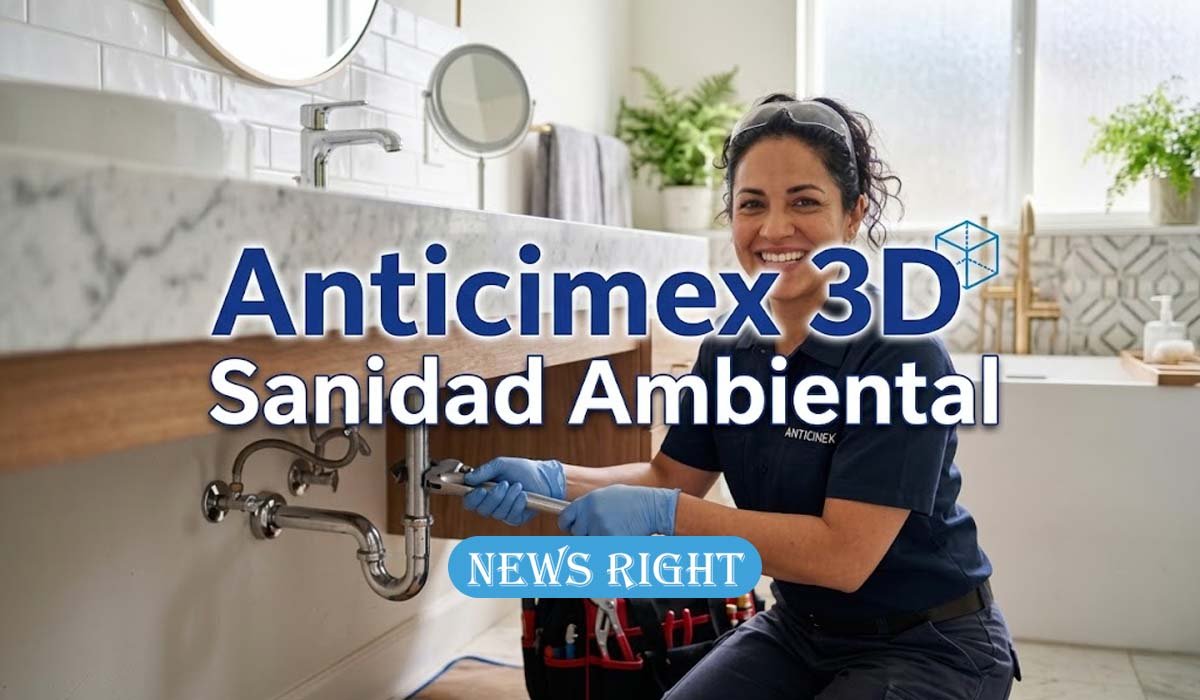
Most of us only think about pests when something goes wrong: a droppings trail behind the fridge, a wasp nest under the roof tiles, or an inspector’s report that suddenly matters. Behind the scenes, an entire industry works to prevent those moments, and one of its best-known names in Spain is Anticimex 3D Sanidad Ambiental. The company combines almost a century of Scandinavian experience with local technicians who know Spanish buildings, climates, and regulations. This guide explains who it is, what it offers, and why its approach to pest control stands out.
Who Is Anticimex 3D Sanidad Ambiental?
Anticimex 3D Sanidad Ambiental is the Spanish arm of the Anticimex group, a pest control and environmental health specialist headquartered in Sweden. In Spain it operates as a limited company with a single shareholder, and public records list it under the tax number A82850611. Its name tells you a lot: “3D” refers to the classic trio of services in Spanish public health, which are desinsectación (insects), desratización (rodents), and desinfección (disinfection).
Today the company serves roughly 30,000 clients, from restaurants and hotels to hospitals, logistics centers, schools, and private homes. It employs more than 1,100 people across the country and works through dozens of local delegations, with its corporate headquarters recently opened in Sant Cugat del Vallès, near Barcelona. Anticimex 3D Sanidad Ambiental is therefore not a small local exterminator but a national network that still keeps technicians close to every customer, which matters when an urgent call cannot wait for a distant head office.
From Stockholm to Spain: A Short History
The story starts in 1934 in Stockholm, when Anticimex was created to fight bed bug infestations that were spreading through European homes. The name literally means “against the bedbug.” From that single, very practical mission the group grew into a multinational with more than 12,000 employees across 22 countries, and it has kept its focus on health and hygiene rather than simply selling chemical treatments. That mindset still shapes how local teams talk to customers today.
The Spanish chapter took a major step in 2013 and has been expanding steadily ever since, when Anticimex bought the pest control business of ISS in twelve markets, Spain among them, in a deal reported at around 385 million euros. That is how the Spanish business that had operated as ISS Higiene Ambiental 3D became part of the group. Since then, Anticimex 3D Sanidad Ambiental has kept growing by absorbing smaller regional firms, which is why you will see company names such as Stop Plagues, Montañesa de Desinfección, and GTSA Pest Control in the official registry notices.
Services: What the Company Actually Does
The service list is broad but easy to understand. Customers can order fumigation and insect control, rodent control, bird management, wood treatments against termites and woodworm, thermal treatments, and phytosanitary solutions for plants and green spaces. Many contracts are preventive and tailored to the size and risk of each site, meaning technicians visit on a schedule, inspect, and document findings before an infestation can take hold. This preventive model is usually cheaper than emergency treatment later.
What separates a professional provider from a quick fix is the documentation. Food businesses, healthcare facilities, and hospitality groups need records, risk assessments, and traceable products to satisfy audits. Anticimex 3D Sanidad Ambiental builds this paperwork into its routine, and it staffs its technical teams with biologists and veterinarians who can identify the species involved and recommend the least disruptive response.
Anticimex Smart: Digital Pest Control
The most talked-about part of the offer is Anticimex Smart, a monitoring system developed by the group’s innovation center in Denmark. Instead of placing bait everywhere and waiting for the next visit, connected devices are installed in strategic spots and send an alert when a rodent is detected. The technician then arrives only when there is a real reason, and the response is based on data rather than guesswork.
This changes the economics for the customer as well as the environment. Fewer unnecessary visits, which also reduce the chance of road accidents for technicians, mean fewer kilometers driven, lower emissions, and less disruption inside kitchens, warehouses, or offices. Many of the traps work mechanically, so no poison is needed at all. For businesses that want continuous proof that nothing is happening, a digital log is far more convincing than a signature on a paper form, and it makes trends easy to spot over months and years.
A Low-Chemical, Sustainability-First Approach
The company describes its philosophy as Vision Zero, the goal of environments with no pests and minimal environmental impact. In practice this is expressed through a methodology known as PC-MIA, or pest control with minimum environmental impact, which reserves biocides for situations where physical and mechanical measures are not enough. It is a response to growing concern over anticoagulant rodenticides, which European rules classify as harmful to reproduction.
Taken together, these choices make the service easier to defend to regulators, neighbors, and staff. That approach earned Anticimex 3D Sanidad Ambiental recognition in the Mutua Universal prevention awards, where its system was praised for protecting both the public and its own technicians from hazardous exposure. The company also reinvests part of its profits in research, and its sustainable research center in Sabadell studies non-invasive, digital methods. For clients with environmental goals, this is a tangible advantage rather than a marketing line, and it can support the sustainability reports that larger companies now prepare.
Growth and Figures
Recent numbers show a business in expansion. Spanish revenue reached about 85 million euros in 2025, an increase of 18 percent on the year before, and management expects around 93 million in 2026. A good share of that growth comes from acquisitions, including five regional companies bought in 2025 in Pamplona, Girona, Madrid, Toledo, and the Canary Islands.
The strategy is clear and consistent: buy trusted local operators, bring them into one technical standard, and give them access to the group’s technology. The company benefits from scale in purchasing, training, and research, while customers keep familiar faces on site. Mergers of subsidiaries recorded in 2023 and 2025 show the same logic of simplifying many small entities into a single, stronger company with one set of procedures, one brand, and one clear point of responsibility for customers.
Why Businesses Choose It
For a restaurant owner or facility manager, the real question is trust. A missed rodent or a failed audit can close a kitchen, damage a brand, or trigger fines. Clients tend to value the combination of a recognized name, certified processes, and technicians who respond quickly when something unexpected appears, particularly in sectors where hygiene standards leave no room for improvisation.
Homeowners and community administrators benefit too. Pigeons on a terrace, cockroaches in a shared stairwell, or woodworm in an old beam are problems that need an accurate diagnosis first. A provider that explains the cause, proposes a plan, and follows up afterward is more useful than one that simply sprays and leaves, and that follow-up habit is what keeps long-term customers loyal.
Conclusion
Pest control is rarely glamorous, and most people never notice it when it works, but it protects health, food safety, and property every single day. Anticimex 3D Sanidad Ambiental shows how a nearly century-old idea can adapt to modern expectations through data, trained specialists, and a serious commitment to reducing chemicals. For anyone comparing providers in Spain, its mix of national reach, local service, and smart technology makes it a name worth knowing.
Frequently Asked Questions
What does “3D” mean in the company name?
It refers to the three traditional pest control services: insect control, rodent control, and disinfection.
Is Anticimex 3D Sanidad Ambiental part of an international group?
Yes. It belongs to the Swedish Anticimex group, which operates in 22 countries and has more than 12,000 employees.
Who are its customers?
Households, restaurants, hotels, hospitals, schools, factories, and logistics operators all use its services, and roughly 30,000 clients are served in Spain.
What is Anticimex Smart?
It is a connected monitoring system that alerts technicians when a pest is detected, so they intervene only when needed and often without using chemicals.
Is the approach safe for the environment?
The company follows a minimum-impact method that limits biocide use and favors mechanical and digital controls, an approach recognized in the Mutua Universal awards.


Samantha Speno: The Life Story of Randy Orton’s First Wife

Who Is Danna Lynn Blocker? Meet Dan Blocker’s Daughter

Who Is Amy Sherrill? What We Know About Tim Duncan’s Ex-Wife

Pinoroduct Com: A Simple Guide for First-Time Visitors (2026)

Who Is Eric Ritchson? The Quiet Older Brother of Actor Alan Ritchson

Who Is Ramtin Abdo? The Quiet Life of Kate Scott’s Ex-Husband
-
 Technology2 months ago
Pinoroduct Com: A Simple Guide for First-Time Visitors (2026)
-
 Celebrity2 months ago
Who Is Eric Ritchson? The Quiet Older Brother of Actor Alan Ritchson
-
 Celebrity3 months ago
Who Is Ramtin Abdo? The Quiet Life of Kate Scott’s Ex-Husband
-

 Celebrity3 months ago
Ellen Heidingsfelder: The Full Story of Cooper Manning’s Wife
-

 Celebrity3 months ago
Thierry Bordelais: The Quiet Husband of Karla Homolka
-

 Celebrity3 months ago
Who Is Valerie Guiliani? Everything to Know About T. J. McConnell’s Wife
-

 Celebrity2 months ago
Crackstube Explained: What It Is, Is It Safe, and Better Options
-

 Technology2 months ago
What Is Upcvee6s5ku? A Simple Guide to This Mystery Code