
Tech
What Is MMSBRE? A Simple Guide to What It Means and How It Helps Your Business


In the fast-moving world of modern business, where new tools and buzzwords light up the digital sky almost every week, only a few terms manage to spark real curiosity. MMSBRE is one of them. It has been showing up in tech blogs, search trends, and marketing conversations throughout 2026, yet many business owners still are not sure what it means or whether it deserves a place in their plans. This guide cuts through the noise, explains how the term is generally understood, and shows how the ideas behind it can help your business work smarter, save time, and grow with less stress.
Where the Term MMSBRE Came From
The honest answer is that the term does not trace back to a single company, product launch, or official industry standard. It surfaced gradually through blogs, tech magazines, and digital marketing sites, and each source tends to explain it a little differently. Some describe it as a smart business resource engine, while others treat it as a broader approach to digital efficiency and growth. That lack of one fixed definition is exactly why so many people are typing it into search bars.
What these interpretations share, though, is a clear common thread. They all point to the idea of bringing scattered tools, data, and processes together into one coordinated system that runs more smoothly than the sum of its parts. So rather than thinking of it as a specific app you can buy, it helps to see it the way we see phrases like “digital transformation”: an umbrella idea that describes a better way of running a business.
What MMSBRE Means in Simple Terms
At its heart, MMSBRE is about working smarter with what you already have. Picture a typical small business. Inventory lives in a spreadsheet, invoices go out through a separate app, customer questions arrive by email, and marketing happens on social media. Each piece works fine on its own, but none of them talk to each other, so the owner spends hours copying details from one place to another and hoping nothing slips through the cracks.
The framework’s answer is to connect those pieces so information flows automatically. A single sale can update your stock count, create an invoice, notify your team, and feed into a weekly performance report without anyone lifting a finger. The goal is not to replace people but to free them from repetitive chores, so their energy goes into creative work, customer relationships, and planning for what comes next.
The Core Building Blocks
Most explanations of the approach rest on a few practical building blocks. The first is data integration, which simply means making sure your different systems share information instead of keeping it locked away in separate silos. The second is automation, where routine tasks such as sending reminders, updating records, or scheduling posts happen on their own once you set the rules.
The third block is analytics, often supported by artificial intelligence, which turns all that connected data into useful insights you can act on. The fourth, and arguably the most important, is people and process. Technology only delivers results when your team understands it, trusts it, and follows clear workflows. A well-designed setup respects how your staff actually work rather than forcing them into awkward new habits overnight.
How MMSBRE Helps Your Business
The most immediate benefit is time. When manual data entry and back-and-forth emails shrink, your team can reclaim hours every week. Those hours add up to real money, especially for small businesses where every person wears several hats. Fewer manual steps also mean fewer mistakes, which reduces costly errors like double bookings, wrong invoices, or missed orders.
The second major benefit is clarity. With your information connected, you can see what is really happening in your business at a glance, from which products sell best to which marketing channels bring in loyal customers. Better visibility leads to faster and more confident decisions. Customers feel the difference too, because quicker replies, accurate orders, and personalized follow-ups build trust and keep them coming back.
Real-World Examples of the Approach in Action
Imagine a small online clothing store run by two friends. Before connecting their tools, they checked stock by hand, typed shipping details into a courier website, and answered the same sizing questions dozens of times a day. After linking their store, inventory, and shipping systems and adding a simple chatbot for common questions, they cut their admin time roughly in half and finally had room to design a new collection.
Service businesses benefit just as much. A local accounting firm might connect its client portal, calendar, and billing software so that appointments book themselves, documents land in the right folders, and invoices go out right after each meeting. The accountants spend less time chasing paperwork and more time giving advice, which is the part clients actually value and are happy to pay for.
How to Start Applying MMSBRE in Your Business
Getting started does not require a huge budget or a technical team. Begin with a simple audit: list every tool you use, what it does, and where information gets stuck or copied by hand. Those friction points are your best opportunities. Then pick one small, high-impact process, such as invoicing or appointment booking, and improve that first before moving on to anything bigger.
When choosing tools, favor ones that integrate easily with what you already use, since connection is the whole point. Take time to train your team and explain why the change matters, because people support what they understand. Finally, measure the results. Track hours saved, errors reduced, or response times improved, and use those numbers to decide what to tackle next.
Common Mistakes to Avoid
One common mistake is trying to automate everything at once. Rushing leads to confusion, broken workflows, and frustrated staff. Another is buying too many shiny tools that do not work together, which simply recreates the original problem in a more expensive form. It is also wise to be cautious of anyone selling an “official” MMSBR package, since no single authority owns the term.
Security and people are the other areas that often get overlooked. Connecting systems means more data flowing between them, so strong passwords, access controls, and trusted providers matter more than ever. Just as important is team buy-in. If employees feel the new setup was forced on them, they may quietly work around it, and the benefits disappear before they ever have a chance to show.
The Future of MMSBRE
As artificial intelligence becomes more capable and affordable, the ideas behind this framework are likely to become even more powerful. Future tools may predict inventory needs, draft customer replies, and flag financial risks before they become problems. Businesses that already have connected, well-organized systems will be in the best position to take advantage of these advances.
The name itself may evolve, fade, or be replaced by a new buzzword in a few years, and that is perfectly fine. The underlying principle of connecting resources, automating routine work, and making decisions based on clear data is here to stay. Focusing on that principle, rather than the label, is the smartest way to future-proof your business.
Conclusion
New business terms come and go, but the best ones point toward something truly useful. At its core, this idea is about connecting your tools, automating the repetitive work, and using clear data to guide your choices. You do not need a massive budget or a tech degree to begin, only a willingness to look honestly at how your business runs today and a plan to improve it one step at a time. Start with a single process, measure the results, and build from there. Understood this way, MMSBRE is less about chasing a trend and more about building a business that runs smoother, serves customers better, and leaves you more time to focus on what you love.
Frequently Asked Questions
What does MMSBRE stand for?
There is no single official expansion. Different sources interpret it in slightly different ways, but most connect it to smart, integrated management of business resources and digital efficiency.
Is MMSBRE a software product?
Not exactly. It is best understood as a framework or approach. You can apply it using many existing tools, such as cloud apps, automation platforms, and analytics dashboards.
Can small businesses benefit from this approach?
Absolutely. Small businesses often gain the most, because saving even a few hours a week makes a noticeable difference when resources are limited.
Is it expensive to get started?
It does not have to be. Many affordable and even free tools offer integrations and automation features. Starting small keeps costs low while you learn what works.
How long does it take to see results?
Simple improvements, like automating invoices or reminders, can show benefits within weeks. Larger changes across several departments may take a few months to settle in.

Every few months, a strange new name starts circulating through search bars, group chats, and comment sections, and curiosity does the rest. Incestflox is one of those names. It appears to be tied to a streaming-style website offering adult material built around a taboo theme, yet almost nothing about it can be verified from trustworthy sources. That gap is exactly why people search for it, and exactly why it deserves caution. This guide explains what is actually known, what is only rumor, which risks come with sites like this, and how you can protect yourself and your family. Nothing here is a link or a recommendation. It is a plain-language safety briefing for ordinary internet users.
What This Name Appears to Be
The honest starting point is that this name does not belong to a celebrity, a company with a public profile, or any established media brand. It looks like the kind of label attached to unregulated, ad-driven websites that borrow the style of mainstream streaming services while hosting adult content of uncertain origin. Names like this tend to appear suddenly, collect search traffic, and vanish or change domains within months. There is no reliable press coverage, no verified founder, and no transparent terms of service that a reader could point to as proof of legitimacy.
That lack of transparency is itself the most important fact. Legitimate platforms tell you who runs them, where they operate, how they verify the age of their performers, and how you can contact them. Anyone claiming to know the owner or history of this site should be treated with skepticism, because those claims are almost always recycled from low-quality blog posts that repeat each other without checking anything. When you cannot confirm who is behind a website, you cannot know what it does with your data, your device, or your attention.
Why the Name Keeps Spreading Online
Search interest in Incestflox follows a familiar pattern. A shocking or provocative name appears in a forum thread or social media comment, people get curious and type it into a search engine, and that spike in searches signals to automated content farms that there is traffic to capture. They then publish thin articles, some of which pretend to be neutral explainers while quietly steering readers toward risky links. The result is a feedback loop where curiosity creates attention, attention creates more pages, and more pages make the name look more established than it really is.
Taboo themes make this loop stronger because people often feel embarrassed to ask questions openly, so they search privately and rarely compare notes. Mirror domains, copycat sites, and fake download pages multiply around any trending adult keyword, and each one is an opportunity for someone to profit from your click. Understanding this cycle helps you resist it. A name trending in search results is not evidence that a site is popular, safe, or lawful. Often it only proves that a lot of people were curious at the same moment.
The Real Risks Behind Sites Like This
The most immediate danger is technical. Unregulated adult streaming sites are well known for aggressive pop-ups, forced redirects, fake video players, and prompts to install software or browser extensions before you can watch anything. Any of those can carry malware, spyware, or credential stealers. Even without installing anything, tracking scripts and malicious ads can profile your browsing, and phishing pages can imitate login screens for email or banking accounts to harvest passwords.
There are personal risks too. Many such sites ask for a card number to verify your age, then enroll you in hidden subscriptions or leak the details later. Others threaten users with embarrassing messages after a visit, a scam known as sextortion that preys on shame and silence. Remember that no website needs a payment card to prove you are an adult, and no genuine service will ever threaten you. If someone does, stop responding, keep the evidence, and report it rather than paying.
Legal and Ethical Concerns
Beyond technical danger, there are serious legal and ethical questions. Content that depicts or glorifies family-based sexual abuse, or that involves anyone who may be underage, coerced, or unidentified, can be illegal to produce, distribute, or even possess in many countries. Because the people behind this site cannot be identified, there is no way to confirm that performers consented, were adults, or were paid fairly. Material with no accountability trail is exactly where exploitation hides.
Laws differ widely between countries and regions, and nobody should assume that something being easy to find means it is permitted. Accessing questionable material can expose you to legal trouble, and clicking links or sharing them can spread harmful content further. The safest ethical position is simple: do not seek out, download, or forward content when you cannot verify that everyone involved is a consenting adult, and do not treat obscure sites as harmless entertainment.
How to Protect Yourself and Your Device
If you have already opened the site called Incestflox, do not panic, but do act calmly. Close the tab, clear your browser cache and cookies, and run a full scan with a reputable security program. Review your browser extensions and installed apps for anything you do not remember adding, and remove it. If you entered a password or payment detail anywhere, change that password immediately, enable two-factor authentication on important accounts, and contact your bank to monitor or block the card.
Prevention is easier than cleanup. Keep your operating system and browser updated, use a trustworthy ad blocker, and avoid clicking links from unknown messages or forum replies. Enable safe-search settings and DNS-level filters on home networks, and be wary of any site that demands software installation or personal details to view content. A good rule is to ask whether you would trust the same site with your front-door key. If the answer is no, you should not trust it with your digital life either.
Guidance for Parents and Reporting Problems
If your child mentions Incestflox or you find it in a browser history, start with calm curiosity instead of punishment. Young people often stumble onto disturbing material through ads, links from classmates, or algorithm-driven recommendations, and they are more likely to talk if they do not fear being in trouble. Explain in age-appropriate words that some websites are not safe, that they never need to hide a bad experience, and that you will help rather than blame. Parental controls, filtered DNS, and shared device rules add a useful safety net, but open conversation matters most.
When something crosses a line, report it. In the United States, the NCMEC CyberTipline accepts reports of child sexual exploitation, and similar hotlines exist elsewhere, such as the Internet Watch Foundation in the United Kingdom. You can also flag content through the reporting tools on search engines, social platforms, and hosting providers. If you or someone you know has been affected by abuse, a trained counselor or a local support organization can help, and speaking to someone is a sign of strength rather than weakness.
Conclusion
The story of Incestflox is not really about a famous name or a hidden gem of the internet. It is a reminder of how quickly an unverified label can gather attention, clicks, and risk. What can be said with confidence is limited: the site cannot be traced to an accountable owner, it carries the familiar dangers of unregulated adult platforms such as malware, scams, and data theft, and it raises legal and ethical concerns that no reader should brush aside. The wisest response to curiosity is verification before trust, which means checking who runs a website, protecting your accounts, talking openly with the young people in your life, and reporting harmful content when you come across it. Staying away from Incestflox costs nothing, while cleaning up after a mistake can cost a great deal, so let the name fade and keep your attention on safer corners of the web.
FAQs
What is Incestflox?
Incestflox appears to be the name of an unverified, streaming-style adult website with a taboo theme. No reliable information confirms who owns or operates it.
Is Incestflox safe to visit?
There is no evidence it is safe. Sites of this type commonly use malicious ads, fake players, and phishing pages, so avoiding it is the safest choice.
Is Incestflox a person or a celebrity?
No. Despite the biography-style format some articles use, it is not a person, and any claimed birthday, family, or career details should be considered invented.
Can visiting a site like this get my device infected?
Yes. Redirects, forced downloads, and compromised ads can deliver malware even if you click nothing, which is why updated software and a security scan matter.
What should I do if I was threatened or scammed after visiting?
Do not pay or reply. Save screenshots, change your passwords, tell your bank if a card was involved, and report the threat to local authorities or a relevant hotline.

In the colorful world of design, where shades rise and fade each season like stars across the Hollywood sky, a few hues manage to feel timeless and brand new at once. Cyanová is one of them. It sits between the cool calm of blue and the lively freshness of green, and it has quietly moved from paint swatches and mood boards into living rooms, wardrobes, and website headers around the world. If you’ve wondered what the name means, why the color feels so refreshing, and how to use it without overdoing it, this guide covers it all in a relaxed, practical way.
What Is Cyanová?
At its simplest, Cyanová is a fresh blue-green color that leans toward the brighter, clearer end of the teal family. It isn’t as electric as the pure cyan in printer ink, and it isn’t as dark or moody as deep peacock teal. It lands in a friendly middle ground that feels clean, airy, and modern, a bit like shallow water over white sand on a sunny afternoon.
Because the shade balances two cool colors, it rarely feels cold or clinical. The hint of green gives it warmth and life, while the blue base keeps it calm and grounded. That balance is why designers love it. It can take the starring role on a feature wall or quietly support other colors as an accent, and it suits both minimalist and playful styles.
Where the Name Comes From
The word comes from Czech and Slovak, where Cyanová is the feminine form of the adjective for cyan. In those languages you might hear it describing a pencil, a dress, or a painted door, much the way English speakers call something “cyan.” The root goes back further, to the Greek word kyanos, which described a dark blue enamel and a deep blue mineral used in ancient decoration.
Over time, the name has travelled beyond its original language and taken on a life of its own online, especially among bloggers, decorators, and digital creators who want a softer, more evocative label than plain cyan. The accent on the final letter gives it an elegant, slightly European feel. That helps explain why it has become a popular way to describe this fresh blue-green tone.
The Psychology of a Blue-Green Shade
Colors affect how we feel, and blue-greens sit in a very comfortable emotional zone. Blue is widely linked with trust, calm, and focus, while green tends to suggest balance, growth, and nature. When the two meet, the result often feels restorative. That’s why similar shades appear so often in spas, wellness brands, and bathrooms designed to feel like a retreat.
Lighter blue-greens also carry a sense of clarity and optimism that deeper blues sometimes lack. Many people connect these tones with clean water, clear skies, and holidays by the sea. That makes the color feel refreshing rather than heavy, and it’s one reason Cyanová works so well in spaces and products meant to help people relax, breathe easier, or simply feel a little lighter.
Cyanová in Interior Design
Inside the home, this shade shines when it has room to breathe. A single accent wall in a living room, a painted kitchen island, or a set of bathroom cabinets can lift a space without overwhelming it. Natural light brings out its brighter side, and warm evening lighting softens it into something closer to a gentle teal, so it changes character nicely through the day.
If you’re nervous about committing to paint, start with smaller pieces. Throw pillows, a rug with blue-green details, ceramic vases, or a velvet accent chair are easy ways to test the color. Natural textures such as light oak, rattan, linen, and stone keep the look grounded and stop the room from feeling too cool or overly polished.
Using the Color in Fashion and Personal Style
In fashion, blue-green shades flatter a surprisingly wide range of skin tones because they sit between warm and cool. A Cyanová blouse, scarf, or summer dress can brighten the face and add a fresh pop to a neutral outfit. It also looks great in lighter fabrics such as cotton and linen, which match its breezy, easygoing personality in warmer months.
For a more polished look, try it with crisp white, soft beige, or charcoal grey. If you like bolder combinations, coral and mustard make striking partners because they sit on the warmer side of the color wheel. Accessories are another low-risk option: a handbag, sneakers, or a pair of earrings in this shade can carry an entire outfit with little effort.
Digital Design and Branding
On screens, this color is a favorite for buttons, links, icons, and highlights because it catches the eye without feeling aggressive the way bright red or orange can. Tech startups, health apps, travel companies, and eco-friendly brands often lean on blue-green palettes to signal trust, freshness, and forward thinking. It also stays recognizable at small sizes.
When you use Cyanová in digital work, pay attention to contrast. Lighter versions can be hard to read as text on white backgrounds, so check your combinations with an accessibility contrast tool before launch. A reliable approach is to use the shade for backgrounds, buttons, and graphic accents, and keep body text in dark navy or charcoal so it’s easy to read.
Colors That Pair Beautifully
Neutrals are the safest partners. Warm white, cream, sand, and soft grey let the blue-green take center stage while keeping the overall palette calm. For a coastal feel, combine it with sandy beige and weathered wood. For a crisp, modern look, set it against clean white and matte black, which sharpen its brightness and give it a confident, graphic edge.
If you want more energy, look across the color wheel. Coral, peach, terracotta, and soft pink create a lively contrast that feels cheerful and summery. Deeper companions such as navy, emerald, and plum make the shade feel richer and more sophisticated, which suits autumn and winter styling. Metallics work well too: brass and gold add warmth, and silver keeps things cool.
Common Mistakes to Avoid
The most common mistake is using too much of it in one place. When every wall, cushion, and curtain is the same blue-green, a room can start to feel like a swimming pool. A useful guideline is the 60-30-10 rule. A main neutral takes most of the space, a secondary color supports it, and a bold accent like Cyanová fills the remaining ten percent.
Another mistake is ignoring lighting and undertones. A swatch that looks perfect in a store can turn greener or greyer at home, so always test samples on different walls and check them in morning and evening light. Colors also shift between devices in digital design, so preview your palette on phones, laptops, and monitors before you finalize anything important.
Conclusion
Cyanová shows that a color can be calming and exciting at the same time. It takes its name from a simple Czech and Slovak word and its look from clear water and open skies, and it brings freshness to almost anything it touches, from a quiet bedroom corner to a bold brand identity. The secret to using it well is balance: start small, pair it with neutrals or warm accents, and test it in real light. Once you find the version that suits you, it may quickly become your new favorite shade.
Frequently Asked Questions
Is this shade the same as regular cyan?
Not exactly. Standard cyan is a very bright, pure blue-green used in printing and on screens. This shade is usually softer and a little deeper, which makes it easier to live with in homes and on clothing.
What does the name actually mean?
It’s the feminine form of the Czech and Slovak word for cyan. The word traces back to the Greek “kyanos,” a term that once described a deep blue color and mineral.
Which colors go best with it?
Warm white, sand, and soft grey are the safest choices. Coral, peach, and terracotta add cheerful contrast, while navy and charcoal create a more elegant, grown-up look.
Is it a good choice for small rooms?
Yes, especially in lighter versions. Paired with white trim and good natural light, it can make a small room feel fresh and more open. Deeper versions work better as accents in tight spaces.
Can it work for professional branding?
Absolutely. Blue-greens signal trust, health, and innovation, so they suit tech, wellness, travel, and sustainability brands. Just make sure the text you place on or near it has strong contrast.
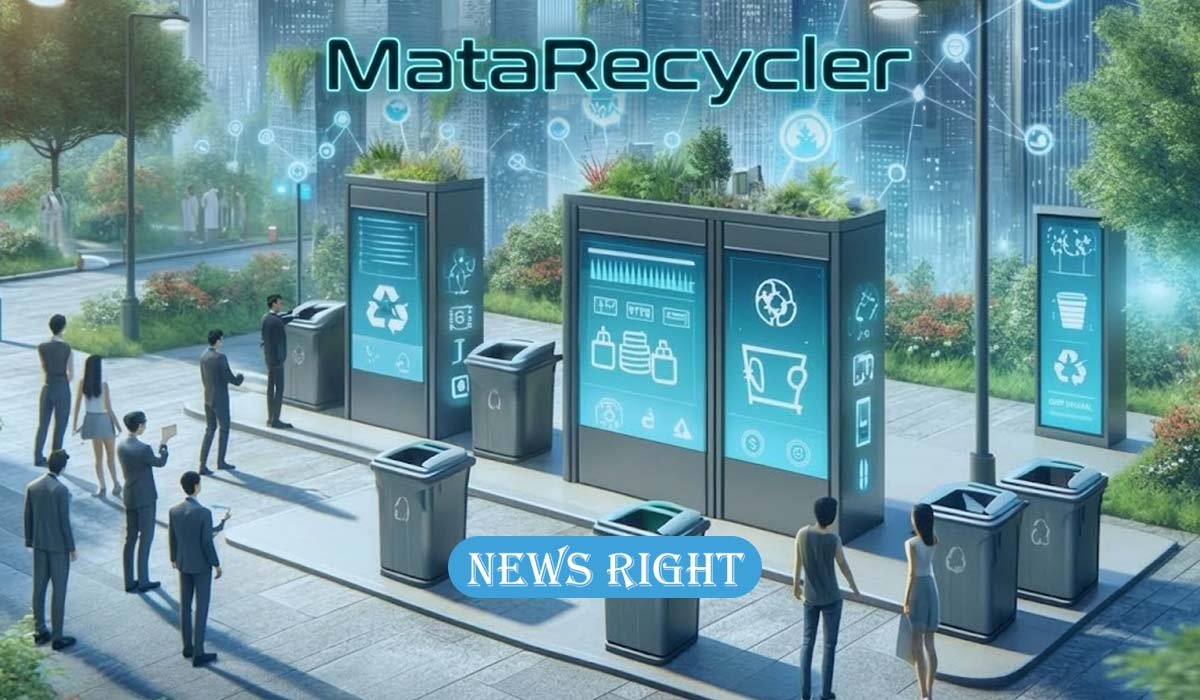
In the busy world of modern cities, where overflowing bins and confused recycling habits have quietly become everyday frustrations, a new idea has started drawing attention from people who care about cleaner streets and smarter systems. MataRecycler is the name many tech and sustainability writers now use to describe an AI-powered approach to recycling. It pairs smart bins full of sensors with software that recognizes waste, sorts it, and turns every toss into useful data. If you have seen the name pop up and wondered what it means, how it works, and whether it lives up to the buzz, this guide walks you through it in plain, friendly language.
What Is MataRecycler?
At its heart, MataRecycler is a smart recycling concept built around one simple promise: take the guesswork out of throwing things away. Instead of asking people to remember which plastic number goes where, the system uses cameras and trained AI models to look at an item, decide what it is, and send it to the right place. The result is a bin that thinks a little before it accepts your trash.
It is best understood as a combination of hardware and software rather than a single gadget. The physical bins do the sensing and sorting, while a cloud platform stores data, learns from mistakes, and shares insights with the people managing waste. That blend is what separates it from the plain plastic bins most of us grew up with.
The Problem It Aims to Solve
Traditional recycling has a contamination problem. When a greasy pizza box or a plastic bag lands in the wrong stream, it can spoil an entire batch, and that batch often ends up in a landfill anyway. Well-meaning people make these mistakes every day because local rules are confusing and labels are hard to read.
There is also a data gap. Most cities and businesses have little idea how much they recycle, what kinds of materials they produce, or when bins actually need emptying. Collection trucks follow fixed routes, picking up half-empty bins while others overflow. Smarter tools are meant to close that gap by replacing guesswork with real numbers.
How MataRecycler Works
The process starts the moment you drop something in. Sensors detect the item, a camera captures images, and the AI compares what it sees against a large library of known materials. Within a second or two, the system classifies the object as plastic, paper, glass, metal, or general waste, and a mechanical flap or chute guides it into the matching compartment.
Every action is logged. Fill-level sensors track how full each section is, and that information travels to a cloud dashboard. When a compartment nears capacity, the platform can alert a facility manager or collection team, so pickups happen when they are needed rather than on a rigid timetable. Over time, the data reveals patterns that help people plan better.
The Role of AI in Smart Recycling
Artificial intelligence is what makes the whole idea feel modern. MataRecycler relies on computer vision models trained on thousands of images of everyday waste, from crushed cans to coffee cups with plastic lids. The more items the system sees, the sharper its judgment becomes, which is why AI sorting tends to improve with regular use.
Machine learning also helps with the tricky cases humans struggle with. Mixed-material packaging, dirty containers, and items that look alike can confuse a tired shopper, but a well-trained model can spot subtle differences in shape, texture, and color. That said, no AI is perfect, and good systems are designed to flag uncertain items rather than guess wrongly.
Smart Bins: The Front Line of the System
The smart bin is where people actually meet the technology. A typical unit includes a small screen or indicator lights, internal cameras, weight and fill sensors, and several separate compartments. Some designs also include compaction features, which press waste down so the bin holds more before it needs emptying.
For users, the experience is meant to be effortless. You simply drop an item in, and the bin handles the rest, sometimes showing a quick message about what the item was and where it went. That small moment of feedback quietly teaches people better habits, which may be one of the most underrated benefits of smart bins.
Key Features Worth Knowing
The features most often linked with this platform include automatic waste recognition, multi-stream sorting, real-time fill monitoring, and a central analytics dashboard. Together, these tools give building managers and city planners a clear view of what is happening inside every bin they oversee.
On the user side, a companion mobile app is commonly described as part of the package. It can track personal recycling activity, offer reward points or incentives, and share simple tips on reducing waste. Turning recycling into a game this way makes a chore feel more like a habit, especially for younger users and students on campuses.
Benefits for Homes, Businesses, and Cities
For households and small offices, the biggest win is convenience. People no longer need to memorize sorting rules, and cleaner recycling streams mean more material actually gets reused. For businesses, detailed reports can support sustainability goals and make environmental reporting easier and more accurate.
Cities stand to gain the most from a system like MataRecycler. Smarter collection routes can cut fuel use, reduce truck emissions, and save labor costs. Reliable waste data also helps local governments make better decisions about infrastructure, education campaigns, and recycling partnerships, which ultimately supports a stronger circular economy.
Limitations and Honest Questions
It is only fair to look at the other side. Smart bins cost far more than ordinary ones, and they need power, connectivity, and regular maintenance. For smaller communities or businesses on a tight budget, the upfront investment can be a real barrier, even if long-term savings look promising on paper.
There is also a transparency question. Much of what is written about MataRecycler online comes from blogs and overviews rather than official product documentation, and verified details about the company behind it, its pricing, and its real-world deployments remain limited. Anyone considering a purchase should ask for demos, case studies, and clear data privacy terms before committing.
The Future of AI-Powered Recycling
Whatever happens with any single brand, the direction is clear. AI sorting, connected bins, and data-driven collection are already being tested in airports, shopping centers, and universities around the world. As hardware gets cheaper and AI models improve, these tools are likely to move from pilot projects into ordinary neighborhoods.
The ideas behind MataRecycler also hint at a bigger shift in how we think about waste. Instead of treating trash as something to hide away, smart systems treat it as information, a resource that can be measured, managed, and returned to use. That mindset may prove just as valuable as the technology itself.
Conclusion
Recycling has always depended on people making the right choice in a split second, and that is exactly where things tend to go wrong. MataRecycler is a thoughtful attempt to fix that weak spot. It lets AI and smart bins handle the sorting, and it gives everyone from homeowners to city planners a clearer picture of their waste. It is not a magic solution, and it is wise to stay curious about costs and credibility. Still, the concept points toward a cleaner, smarter future where recycling feels easy, data guides better decisions, and less of what we throw away ends up buried in the ground.
FAQs
What is MataRecycler?
It is an AI-powered smart recycling system that uses cameras, sensors, and machine learning to identify and sort waste automatically, while sending usage data to a cloud dashboard.
How do smart bins know what I throw away?
They use computer vision. A built-in camera captures images of each item, and an AI model compares those images to known materials before sorting the item into the right compartment.
Can it handle dirty or mixed-material items?
Well-trained AI can recognize many tricky items, but accuracy depends on the model and conditions. Good systems flag uncertain items instead of risking contamination.
Who can use this kind of system?
Households, offices, schools, retail stores, and city governments can all benefit, although larger organizations usually see the fastest return on investment.
Is MataRecycler worth the investment?
It depends on your budget, waste volume, and goals. Request a demo, compare costs with expected savings, and confirm support and privacy policies before deciding.


Yonosamachar Com: Is It Real? A Simple Guide for 2026

Glaadvoice.com: What Is It and Is It Safe to Visit?

Who Is Eric Maurice? The Life Story of Sheryl Lee Ralph’s Ex-Husband

Pinoroduct Com: A Simple Guide for First-Time Visitors (2026)

Who Is Eric Ritchson? The Quiet Older Brother of Actor Alan Ritchson

Who Is Ramtin Abdo? The Quiet Life of Kate Scott’s Ex-Husband
-
 Technology2 months ago
Pinoroduct Com: A Simple Guide for First-Time Visitors (2026)
-
 Celebrity2 months ago
Who Is Eric Ritchson? The Quiet Older Brother of Actor Alan Ritchson
-
 Celebrity3 months ago
Who Is Ramtin Abdo? The Quiet Life of Kate Scott’s Ex-Husband
-

 Celebrity3 months ago
Ellen Heidingsfelder: The Full Story of Cooper Manning’s Wife
-

 Celebrity3 months ago
Thierry Bordelais: The Quiet Husband of Karla Homolka
-

 Celebrity3 months ago
Who Is Valerie Guiliani? Everything to Know About T. J. McConnell’s Wife
-

 Celebrity2 months ago
Crackstube Explained: What It Is, Is It Safe, and Better Options
-

 Technology2 months ago
What Is Upcvee6s5ku? A Simple Guide to This Mystery Code